
Was ist eine Bess-Batterie??Und warum ist es die Zukunft der Energie??
Hohe Stromkosten und Stromausfälle beeinträchtigen Ihren Geschäftsgewinn und Ihre Sicherheit. Ohne Möglichkeit, Energie zu speichern, Sie sind dem Stromnetz und steigenden Preisen ausgeliefert.
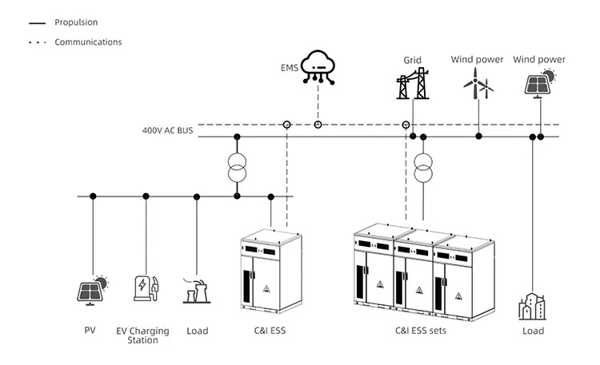
Ein Batterie -Energiespeichersystem (BESS) ist eine Lösung, die Energie aus Sonnenkollektoren oder dem Netz aufnimmt und in wiederaufladbaren Batterien speichert. Diesen gespeicherten Strom können Sie dann zu Spitzenzeiten nutzen, Stromausfälle, oder wenn die Sonne nicht scheint.
Ich habe vielen Kunden dabei geholfen, von hohen Rechnungen zur Energieunabhängigkeit überzugehen. Es ist ein großer Schritt, Aber zu verstehen, wie diese Technologie funktioniert, wird Ihre Sicht auf Ihre Stromrechnung für immer verändern. Schauen wir uns die Details an.
Wie funktionieren Speichersysteme??
Energie verwalten ohne a Batterie ist, als würde man versuchen, Regen mit bloßen Händen aufzufangen. Das meiste davon wird verschwendet. Sie benötigen einen zuverlässigen Behälter, um die Energie dann aufzubewahren, wenn Sie sie tatsächlich benötigen.
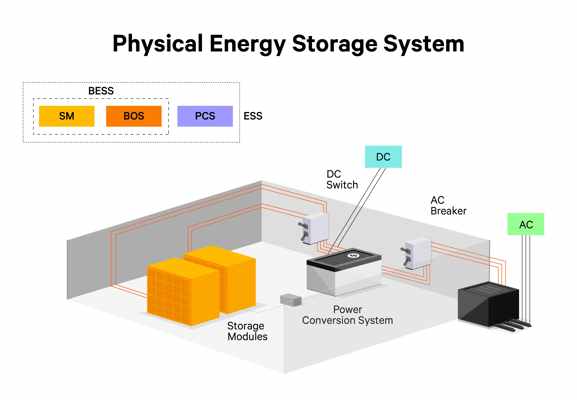
Ein BESS nutzt einen Wechselrichter zur Stromumwandlung und ein Managementsystem zur Überwachung der Sicherheit. Es benötigt Gleichstrom von Solarmodulen, speichert es in Batteriezellen, und wandelt es wieder in Wechselstrom für Ihr Gebäude um.
Die Kernkomponenten
Um ein BESS zu verstehen, Man muss sich ansehen, was sich in der Box befindet. Ich sage meinen Kunden immer, dass eine Batterie nur so gut ist wie das Gehirn, das sie steuert. Das Batteriemanagementsystem (BMS) ist das Gehirn. Es stellt sicher, dass die Zellen nicht überhitzen und gleichmäßig aufgeladen werden. Dann haben Sie das Power Conversion System (PCs), die das Stromformat verarbeitet, damit Ihre Maschinen laufen können.
Der Lade- und Entladezyklus
Der Prozess ist recht einfach, aber sehr intelligent. Tagsüber, Ihre LONGi- oder Jinko-Solarmodule produzieren mehr Strom, als Sie verbrauchen können. Anstatt diesen zusätzlichen Strom gegen eine geringe Gutschrift an den Energieversorger zurückzusenden, das BESS zieht es rein. Nachts, oder während eines Spitzenpreisfensters, das System schaltet um. Es hört auf, Strom vom Stromnetz zu beziehen, und beginnt, Strom aus der Batterie in Ihr Büro oder Ihre Fabrik zu leiten. Dieses „Peak Shaving“." So helfe ich meinen gewerblichen Kunden, jedes Jahr Tausende von Dollar zu sparen.
| Komponente | Funktion | Bedeutung |
|---|---|---|
| Batteriemodule | Speichern Sie die tatsächliche Energie | Bestimmt die Kapazität |
| BMS | Überwacht Temperatur und Spannung | Gewährleistet Sicherheit und lange Lebensdauer |
| Wandler (PCs) | Wandelt Gleichstrom in Wechselstrom um | Ermöglicht den Einsatz in Geräten |
| Regler | Entscheidet, wann geladen oder entladen werden soll | Maximiert den ROI |
Was sind die Vorteile von BESS?
Sich nur auf das Stromnetz zu verlassen, ist für jeden Unternehmer riskant und teuer. Sie sind mit unvorhersehbaren Preiserhöhungen und der ständigen Gefahr konfrontiert, dass Ihre Produktionslinie durch einen Stromausfall lahmgelegt wird.
Zu den Vorteilen von BESS gehören niedrigere Stromrechnungen durch Spitzenlastausgleich, zuverlässige Notstromversorgung bei Ausfällen, und ein kleinerer CO2-Fußabdruck. Es hilft Ihnen auch dabei, die in vielen modernen Vorschriften geforderten Ziele für grüne Energie zu erreichen.
Wirtschaftliche Vorteile und ROI
Ich spreche oft mit Fabrikbesitzern, die über ihre „Nachfragegebühren“ schockiert sind." Dabei handelt es sich um zusätzliche Gebühren für den gleichzeitigen Verbrauch großer Mengen Strom. Ein BESS reduziert diese Gebühren, indem es diesen „Burst“ bereitstellt" Energie aus der Batterie statt aus dem Netz. Das bedeutet, dass Ihre Rechnung sofort sinkt. Im Laufe der Zeit, Das System amortisiert sich. Wenn Sie unsere erstklassigen Module mit einem Growatt- oder Huawei-Wechselrichter kombinieren, die Effizienz ist sogar noch höher, Dies führt zu einer schnelleren Kapitalrendite.
Energieunabhängigkeit und Zuverlässigkeit
In vielen Regionen, in denen meine Kunden tätig sind, Das Netz ist nicht stabil. Eine einzige Stunde Ausfallzeit kann ein Einzelhandelsunternehmen oder eine Fabrik viel Geld kosten. Ein BESS fungiert als Unterbrechbarer Stromversorgung (UPS)1 im Riesenmaßstab. Es schaltet sich so schnell ein, dass Ihre Lichter nicht einmal flackern. Diese Zuverlässigkeit ist der Grund, warum immer mehr Entwickler von Anfang an Speicher in ihre Baupläne einbauen. Es geht nicht nur darum, „grün“ zu sein" mehr; Es geht darum, die Türen offen zu halten, wenn die Nachbarn im Dunkeln tappen.
| Vorteil | Auswirkungen auf das Geschäft | Umweltbelastung |
|---|---|---|
| Spitzenrasur | Reduziert die monatlichen Stromrechnungen | Reduziert die Belastung des Netzes |
| Notstromversorgung | Verhindert Umsatzeinbußen bei Ausfällen | Verringert den Bedarf an Dieselgeneratoren |
| Lastverlagerung | Verbraucht billige Energie zu teuren Zeiten | Fördert die Nutzung erneuerbarer Energien |
Wie lange hält ein Batteriespeicher??
Der Kauf einer Solaranlage ist eine große Investition, und Sie möchten wissen, dass es von Dauer ist. Wenn die Batterie bereits nach wenigen Jahren leer ist, Ihre Ersparnisse verschwinden und Sie sind wieder am Anfang.
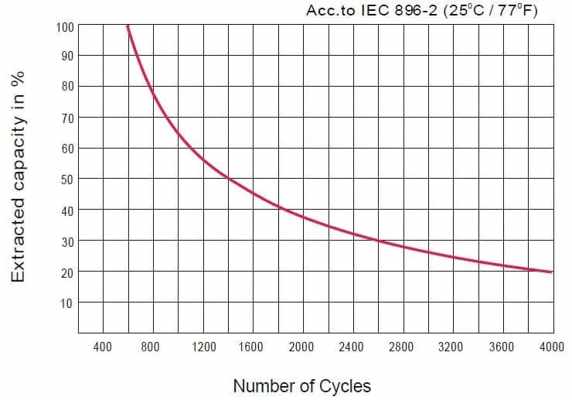
Die meisten modernen BESS-Geräte halten zwischen 10 Und 15 Jahre, Abhängig von der Batteriechemie und der Häufigkeit ihrer Verwendung. Die Leistung wird normalerweise in „Zyklen“ gemessen," mit hochwertigen Lithiumbatterien im Angebot 6,000 Zyklen oder mehr.
Faktoren, die die Batterielebensdauer beeinflussen
Ich erkläre meinen Großhandelspartnern immer das „Wie“." Ob Sie die Batterie verwenden, ist genauso wichtig wie „Was?“." Batterie, die Sie kaufen. Hitze ist der größte Feind jeder Batterie. Wenn Sie Ihr BESS an einem gut belüfteten Ort aufbewahren, coole Gegend, es wird viel länger dauern. Auch, die Entladungstiefe (DoD) ist ein Schlüsselfaktor. Wenn Sie den Akku entladen 0% jeden einzelnen Tag, es wird schneller verschleißen. Die meisten Systeme, die wir bei GYCX Solar entwerfen, sind darauf ausgelegt, eine kleine Reserve vorzuhalten, das die Zellen schützt und ihre Lebensdauer um Jahre verlängert.
Die richtige Chemie wählen
Es gibt einen großen Unterschied zwischen Blei-Säure und Lithium-Ionen. Bleisäure ist zunächst günstiger, aber es dauert nur ca 3 Zu 5 Jahre. Lithium -Eisenphosphat (LiFePO4) ist das, was ich mittlerweile fast allen meinen gewerblichen und privaten Kunden empfehle. Diese Batterien sind sicherer, kann tiefer entladen werden, und viel länger halten. Wenn man sich die „Kosten pro Zyklus“ anschaut," Lithium ist im Laufe der Zeit tatsächlich die günstigere Option. Damit Sie Ihr System nicht vorzeitig austauschen müssen, geben wir hierzu konkrete Hinweise.
| Akku-Typ | Typische Lebensdauer | Lebensdauer | Wartung |
|---|---|---|---|
| Lithium-Ionen (LFP) | 10-15 Jahre | 6,000+ Zyklen | Sehr niedrig |
| Lead-Säure | 3-5 Jahre | 500-1,000 Zyklen | Hoch |
| Flussbatterien | 20+ Jahre | Unbegrenzte Zyklen | Medium |
Was ist der Unterschied zwischen Speichersystemen für den Hausgebrauch und solchen für das Stromnetz??
Aufgrund der unterschiedlichen Batteriegrößen auf dem Markt kann man leicht verwirrt werden. Die Verwendung einer kleinen Heimbatterie für eine Fabrik ist so, als würde man versuchen, einen LKW mit einer Taschenlampenbatterie anzutreiben.
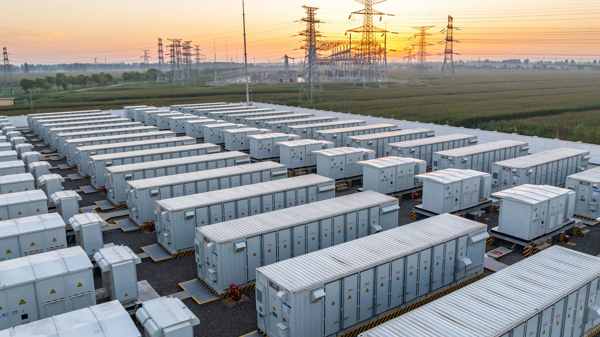
Hausanlagen sind klein und für Einfamilienhäuser konzipiert, während netzgroße oder industrielle Systeme riesige Container sind. Sie unterscheiden sich in der Kapazität, Stromspannung, und wie sie mit dem örtlichen Energieversorger interagieren.
Wohn- und kleine Gewerbesysteme
Für ein typisches Zuhause oder einen kleinen Laden, Wir installieren in der Regel „hinter dem Zähler“." Systeme. Diese sind kompakt, oft an einer Wand montiert, und haben eine Kapazität von 5 kWh bis 20 kWh. Sie konzentrieren sich darauf, das Haus autark zu machen. Ich sehe viele Familien, die diese nutzen, um zu erreichen "Netto-Null2" Energieverbrauch. Diese Systeme sind einfach zu installieren und funktionieren normalerweise mit einem einphasigen oder dreiphasigen Hybridwechselrichter von Marken wie Huawei oder Growatt.
Versorgungs- und Industriewaagensysteme
Andererseits, Meine Arbeit mit Entwicklern und Versorgungsunternehmen umfasst „Front-of-the-Meter“." Systeme. Diese sind riesig. Sie werden in Transportbehältern geliefert und können Megawatt speichern (MW) der Macht. Ihre Aufgabe besteht nicht nur darin, beim Bau Geld zu sparen, sondern um das gesamte Netz auszugleichen. Sie sorgen für eine „Frequenzregulierung“.," Dadurch bleibt das Netz stabil, wenn Tausende von Menschen gleichzeitig ihre Klimaanlagen einschalten. Diese Projekte erfordern eine komplexe Technik und die strikte Einhaltung der örtlichen Gesetze, Hier werden unsere Ressourcenintegrationsdienste sehr wertvoll.
| Besonderheit | Wohn-BESS | Versorgungs-/Industrie-BESS |
|---|---|---|
| Kapazität | 5kWh – 30 kWh | 100kWh – 100MWh+ |
| Installation | Wandmontiertes oder kleines Regal | Containerisiert / Draussen |
| Hauptziel | Reduzieren Sie die Hausrechnungen / Sicherung | Netzstabilität / Großer ROI |
| Stromspannung | Niederspannung (48v) oder Hochspannung | Hochspannung (oft 1000V+) |
Abschluss
Die BESS-Technologie ist der beste Weg, Ihre Energiekosten zu kontrollieren und sicherzustellen, dass Ihr Strom eingeschaltet bleibt. Ganz gleich, ob Sie eine Heimbatterie oder ein Industriesystem benötigen, Wir haben die Produkte, die Ihnen helfen.
Möchten Sie, dass ich ein individuelles Solar- und Batteriedesign für Ihre spezifischen Geschäfts- oder Privatanforderungen entwerfe??
Das Verständnis von USV-Systemen ist für Unternehmen von entscheidender Bedeutung, um eine kontinuierliche Stromversorgung sicherzustellen und kostspielige Ausfallzeiten zu vermeiden. ↩
Entdecken Sie Strategien und Technologien, die Ihrem Zuhause dabei helfen können, einen Netto-Null-Energieverbrauch zu erreichen, Förderung von Nachhaltigkeit und Kosteneinsparungen. ↩
