
언제 태양전지 벽걸이가 필요합니까??
바닥 공간이 제한되어 있고 청정 에너지 설치를 원합니다.. 어수선한 차고와 지저분한 전선으로 인해 집에 새 장비를 추가하는 것이 불안해집니다..
바닥 공간이 제한되어 있고 미적 가치가 뛰어난 경우 태양전지 벽걸이가 필요합니다.. 장치를 지면에서 떨어지게 유지합니다., 물로부터 안전하다, 간단한 "플러그 앤 플레이"를 제공하면서 현대적인 홈 디자인과 잘 조화를 이룹니다." 주거용 사용자를 위한 경험.
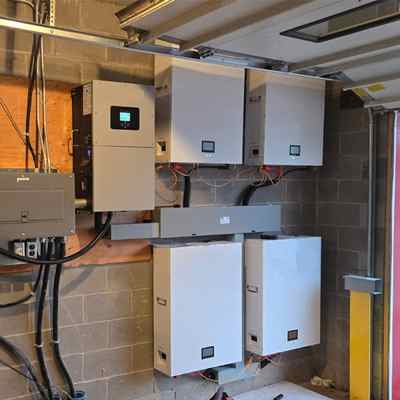
나는 산업용 배터리의 외관을 싫어하는 많은 주택 소유자와 이야기를 나눕니다.. 그들은 권력을 원한다, 하지만 그들은 차고가 공장처럼 보이기를 원하지 않습니다.. 벽걸이가 귀하에게 적합한지 살펴보겠습니다.
배터리 벽걸이 브래킷을 선택한 이유?
집에서는 바닥 공간이 소중합니다. 큰 공간으로 인해 수납공간이나 주차장을 잃어버리고 싶지 않으신가요?, 못생긴 배터리 상자.
벽 장착 브래킷은 무거운 배터리를 바닥에서 들어 올립니다., 자동차나 도구를 위한 공간 확보. 또한 땅의 습기로부터 장치를 보호하고 어린이나 애완동물의 손이 닿지 않는 곳에 보관합니다., 보다 안전한 환경 보장.
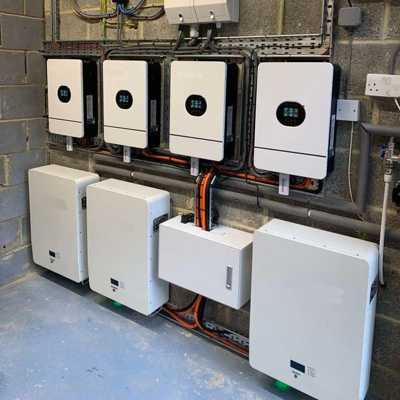
나는 많은 시스템을 설치했습니다., 브래킷은 안전을 위한 획기적인 제품입니다.. 배터리를 바닥에 놓을 때, 차고에 조금이라도 물이 차면 물 피해를 입을 위험이 있습니다.. 벽걸이는 이 문제를 즉시 해결합니다.. 또한 호기심 많은 어린이나 애완동물의 손이 닿지 않는 곳에 위험한 전압을 유지합니다..
안전과 미학
내 고객이 이 스타일을 좋아하는 가장 큰 이유는 외모입니다.. 벽걸이형 배터리, 우리가 공급하는 것과 같은, 종종 매끈한 흰색 가전제품처럼 보입니다.. 산업용 기계처럼 보이지는 않네요. 주택의 재판매 가치에 관심이 있는 경우 이는 중요합니다.. 깔끔한 설치가 프리미엄 업그레이드 같아요. 지저분한 배터리 더미는 마치 마치지 못한 프로젝트처럼 보입니다..
| 특징 | 벽면 장착 브래킷 | 플로어 스탠딩 |
|---|---|---|
| 공간 활용 | 수직 벽 공간을 사용합니다. | 귀중한 바닥 면적을 사용합니다. |
| 홍수 예방 | 높은 (지하수로부터 안전함) | 낮은 (물 손상 위험) |
| 어린이 안전 | 높은 (도달하기 어려운) | 낮은 (쉬운 접근) |
| 미학 | 깨끗한, 숨겨진 전선 | 종종 부피가 크다 |
더위도 생각해야지. 배터리는 열심히 일하면 따뜻해집니다.. 벽걸이는 일반적으로 벽에서 약간 떨어져 위치합니다.. 이 틈을 통해 공기가 장치 뒤로 흐를 수 있습니다.. 시끄러운 팬 없이도 배터리를 시원하게 유지합니다.. 이 수동 냉각은 시스템을 조용하게 만들기 때문에 훌륭합니다.. 전자레인지를 돌릴 때마다 윙윙거리는 소리가 들리지 않습니다..
벽형 vs 바닥형 vs 랙형 태양전지?
사용 가능한 다양한 형태의 배터리로 인해 혼란스러워집니다.. 집의 레이아웃에 가장 적합한 물리적 스타일이 무엇인지 모릅니다..
벽면 배터리는 공간을 절약하고 보기에도 좋습니다., 바닥 배터리는 설치가 더 쉽지만 공간을 차지합니다.. 랙형 배터리는 대규모 시스템에 최고의 확장성을 제공하지만 전용 캐비닛이 필요합니다., 기술에 정통한 사용자나 기업을 위해 더 나은 기능을 제공합니다..
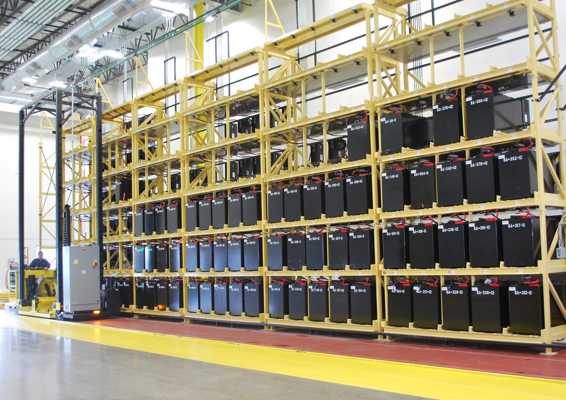
나는 항상 고객에게 "최고의" 배터리는 어디에 놓느냐에 따라 달라집니다. 모든 사람에게 완벽한 단일 배터리는 없습니다.. 건물의 폼 팩터와 일치해야 합니다..
폼 팩터의 전쟁
벽걸이는 주거용 태양광 발전의 챔피언입니다.. 그들은 컴팩트하다. 우리는 보통 5kWh~10kWh의 백업을 원하는 가족에게 판매합니다.. 인버터 바로 옆에 딱 맞습니다.. 배선이 짧고 깔끔해요.
랙 장착형 배터리는 다릅니다.. 그들은 무거운 짐을 지는 사람들이다. 귀하가 사업체 소유자이거나 독립형 생활을 하는 경우, 랙이 필요해. 이 시스템은 모듈식입니다.. 서버 캐비닛을 구입하고 피자 상자처럼 배터리 모듈을 밀어 넣습니다.. 쌓을 수 있어요 10 또는 15 하나의 타워에 있는 모듈. 이것은 당신에게 엄청난 힘을 제공합니다, 하지만 무겁고 보기 흉하다. 전용 다용도실이 필요합니다.
| 배터리 유형 | 가장 좋습니다 | 장점 | 단점 |
|---|---|---|---|
| 벽걸이 | 주택 소유자 | 아름다운, 바닥 공간을 절약합니다 | 나중에 확장하기가 더 어렵습니다. |
| 랙 마운트 | 광고 / 오프 그리드 | 확장성이 뛰어남, 쉬운 수리 | 못생긴, 바닥 공간을 차지합니다 |
| 바닥 마운트 | 대형 주택 | 쉬운 설치 (들어 올리지 않음) | 무거운 발자국 |
바닥 장착형 배터리가 중앙에 위치. 어떤 것들은 단지 스스로 서 있는 큰 탑일 뿐이에요. 벽이 약한 경우에는 좋습니다.. 리튬 배터리는 무겁습니다.. 모든 건식벽체가 50kg 또는 100kg을 지탱할 수 있는 것은 아닙니다.. 벽이 약한 경우, 플로어 스탠딩 유닛을 추천합니다. 구조의 무게를 줄이면서도 랙 시스템보다 더 깔끔해 보입니다..
귀하의 요구에 맞는 태양 전지를 선택하는 방법?
잘못된 시스템에 수천 달러를 지출할까봐 걱정됩니다.. 당신은 돈을 낭비하지 않고 당신의 투자가 당신의 삶에 올바른 힘을 실어주기를 원합니다..
일일 전력 사용량과 최대 부하를 먼저 계산하여 올바른 배터리를 선택하세요.. "설정하고 잊어버리세요"를 원하는 경우" 괜찮아 보이는 시스템, 벽걸이를 선택하세요; 독립형으로 전환할 계획이라면, 확장 가능한 랙 시스템을 선택하세요.
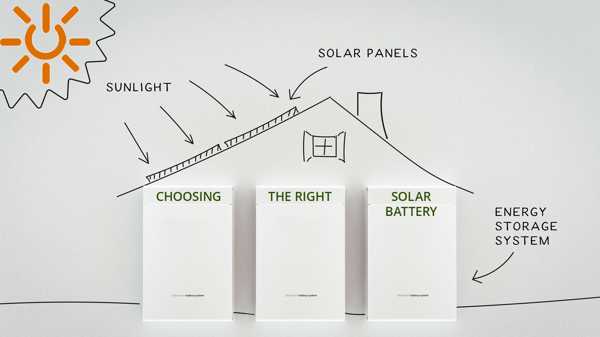
나는 매일 사람들이 시스템을 설계하도록 돕습니다.. 제가 먼저 물어보는 것은: "무엇을 백업하고 싶으신가요??" 정전 중에도 조명과 냉장고를 계속 켜두고 싶다면, 5kWh 또는 10kWh 벽걸이가 완벽합니다.. 간단하다. 설정과 혼동하지 않습니다..
크기 조정 및 사용법
하지만 집 전체를 운영하고 싶다면, 에어컨을 비롯해, 이틀 동안, 벽걸이가 너무 작을 수 있습니다. 3~4개가 필요합니다.. 벽 공간을 많이 차지해요. 그런 경우에는, 나는 당신을 랙 시스템으로 안내할 것입니다.
미래도 생각해야지. 곧 전기차를 구매하실 건가요?? EV는 전력 요구량을 두 배로 늘립니다.. 벽걸이는 확장하기가 더 어렵습니다.. 일반적으로 완전히 새로운 장치를 구입해야 합니다.. 랙 시스템으로, 모듈을 하나 더 사서 밀어 넣으면 됩니다..
| 대본 | 권장 유형 | 왜? |
|---|---|---|
| 교외의 집 | 벽걸이 | 미학과 공간 절약이 핵심입니다. |
| 원격 캐빈 | 랙 마운트 | 많은 저장 용량이 필요합니다.. |
| 공장 / 가게 | 랙 마운트 | 높은 ROI 및 손쉬운 유지 관리. |
| 임대 | 휴대용/바닥 | 벽에 구멍을 뚫지 마세요. |
~에 Gycxsolar, 우리는 이러한 모든 유형을 제공합니다. 하지만 대부분의 주거용 사용자에 대해 제가 이야기하는 것은, 벽걸이가 최적의 장소입니다. 차고를 과학 실험실로 바꾸지 않고도 저녁 피크 시간대에 충분한 전력을 제공합니다..
벽걸이형 배터리와 다른 배터리의 주요 차이점은 무엇입니까??
한 스타일을 다른 스타일보다 선택하여 기능을 놓치는 것을 두려워합니다.. 수표에 서명하기 전에 기술적 장단점을 알고 싶습니다..
주요 차이점은 모듈성과 냉각에 있습니다.. 벽걸이형에는 일반적으로 고정된 용량과 침묵을 위한 수동 냉각 기능이 있습니다., 랙 배터리는 유연한 모듈 교체를 허용하고 종종 활성 냉각 팬을 사용합니다., 더 시끄럽지만 더 확장 가능하게 만듭니다..
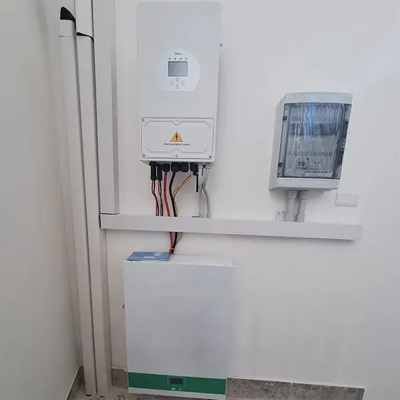
"배짱"에 대해 조금 더 깊이 들어가고 싶습니다." 이 배터리 중. 내부 화학은 대개 동일합니다.. 우리는 안전하고 오래 지속되기 때문에 두 유형 모두에 LiFePO4 셀을 사용합니다.. 하지만 포장에 따라 작동 방식이 달라집니다..
기술적인 장단점
벽걸이는 "올인원"입니다." 배터리 관리 시스템 (비엠에스)1 상자 안에 내장되어 있어요. 넌 쉽게 열 수 없어. BMS가 실패하는 경우, 전체 장치를 교체해야 할 수도 있습니다. 좋은 디자인을 위해 지불하는 대가입니다..
랙 배터리에는 별도의 "브레인"이 있습니다." 일반적으로 랙 상단에 마스터 제어 장치가 있습니다.. 그게 깨지면, 컨트롤 유닛만 교체하면 된다, 배터리가 아니라. 이로 인해 장기적으로 랙 시스템 수리 비용이 더 저렴해집니다..
- 냉각: 벽걸이는 열을 발산하기 위해 금속 케이스를 사용합니다.. 그들은 침묵한다. 랙 시스템은 단단하게 포장되어 있습니다.. 스택을 통해 공기를 불어넣기 위해 팬이 필요한 경우가 많습니다.. 이 팬들은 소음을 낸다.
- 배선: 벽걸이에는 내부 배선이 있습니다.. 케이블 두 개가 나오는 걸 볼 수 있어요. 랙 시스템에는 한 모듈에서 다음 모듈로 연결되는 눈에 보이는 케이블이 있습니다.. 더 지저분해 보이는데.
| 특징 | 벽걸이 | 랙 마운트 |
|---|---|---|
| 수리 가능성 | 낮은 (밀봉된 유닛) | 높은 (모듈형 구성요소) |
| 소음 수준 | 조용한 (수동적인) | 약간의 소음 (팬 냉각) |
| 배선 | 숨겨진 / 깨끗한 | 보이는 / 복잡한 |
| BMS 위치 | 내부 / 통합 | 종종 외부 / 마스터 유닛 |
그래서, 침묵과 깨끗한 모습을 중시한다면, 벽걸이가 이긴다. 손쉬운 수리와 대규모 규모를 중시한다면, 랙이 승리한다.
결론
GycxSolar는 전문적인 컨설팅 서비스를 제공합니다. 부담없이 상담해 주세요; 당신은 고품질의 만족스러운 서비스를 받게 될 것입니다.
만족스러운 답변을 얻으실 수 있을 거라 확신합니다.
깨끗한 환경을 위해 벽걸이를 선택하세요., 공간 절약형 홈 솔루션, 하지만 대용량이 필요한 경우 랙 시스템을 선택하세요., 비즈니스 또는 독립형 생활을 위한 확장 가능한 전력.
BMS의 개념을 이해하면 필요에 맞는 배터리 유형을 선택하는 방법을 더 잘 이해할 수 있습니다.. ↩
