
Wat is een Bess-batterij?En waarom is het de toekomst van energie??
Hoge elektriciteitskosten en stroomstoringen zijn schadelijk voor uw bedrijfswinsten en gemoedsrust. Zonder een manier om energie op te slaan, je bent overgeleverd aan het elektriciteitsnet en stijgende prijzen.
Een opslagsysteem voor batterijenergie (BESS) is een oplossing die energie van zonnepanelen of het elektriciteitsnet opvangt en opslaat in oplaadbare batterijen. Deze opgeslagen elektriciteit kunt u vervolgens gebruiken tijdens de spitsuren, stroomuitval, of als de zon niet schijnt.
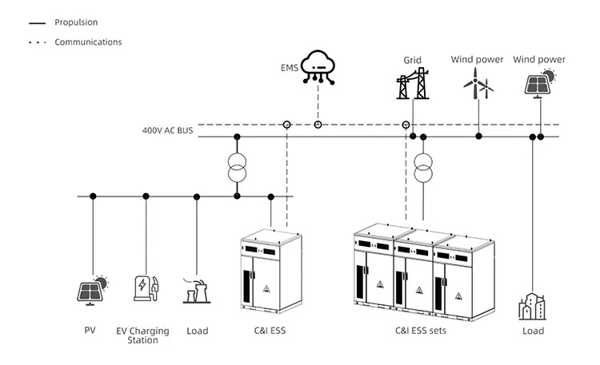
Ik heb veel klanten geholpen om van hoge rekeningen naar energieonafhankelijkheid te komen. Het is een grote stap, Maar als u begrijpt hoe deze technologie werkt, zal de manier waarop u naar uw energierekening kijkt voor altijd veranderen. Laten we naar de details kijken.
Hoe werken opslagsystemen??
Energie beheren zonder een accu is alsof je met je blote handen regen probeert op te vangen. Het grootste deel ervan gaat verloren. U hebt een betrouwbare container nodig om die stroom te behouden voor wanneer u deze daadwerkelijk nodig heeft.
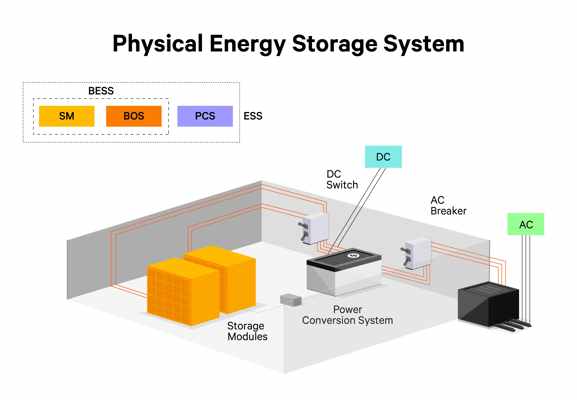
Een BESS werkt door gebruik te maken van een omvormer om stroom om te zetten en een managementsysteem om de veiligheid te bewaken. Er is gelijkstroom nodig van zonnepanelen, slaat het op in batterijcellen, en converteert deze weer naar wisselstroom voor uw gebouw.
De kerncomponenten
Om een BESS te begrijpen, je moet kijken naar wat er in de doos zit. Ik vertel mijn klanten altijd dat een batterij slechts zo goed is als de hersenen die hem besturen. Het batterijbeheersysteem (GBS) zijn dat hersenen. Het zorgt ervoor dat de cellen niet oververhit raken en dat ze gelijkmatig opladen. Dan heb je het Power Conversion System (Pc's), die het elektriciteitsformaat afhandelt, zodat uw machines kunnen werken.
De oplaad- en ontlaadcyclus
Het proces is vrij eenvoudig maar erg slim. Tijdens de Dag, uw LONGi- of Jinko-zonnepanelen produceren meer stroom dan u kunt gebruiken. In plaats van die extra stroom tegen een laag krediet terug te sturen naar het nutsbedrijf, de BESS trekt het naar binnen. 'S nachts, of tijdens een piekprijsperiode, het systeem schakelt. Het stopt met het betrekken van het elektriciteitsnet en begint de stroom van de batterij naar uw kantoor of fabriek te sturen. Deze "piekscheren" Zo help ik mijn commerciële klanten elk jaar duizenden dollars te besparen.
| Onderdeel | Functie | Belang |
|---|---|---|
| Batterijmodules | Sla de werkelijke energie op | Bepaalt de capaciteit |
| GBS | Bewaakt temperatuur en spanning | Garandeert veiligheid en een lange levensduur |
| Omvormer (Pc's) | Verandert DC in AC | Maakt gebruik in apparaten mogelijk |
| Controleur | Bepaalt wanneer er moet worden opgeladen of ontladen | Maximaliseert de ROI |
Wat zijn de voordelen van BESS?
Alleen afhankelijk zijn van het elektriciteitsnet is riskant en duur voor elke bedrijfseigenaar. U wordt geconfronteerd met onvoorspelbare prijsstijgingen en de constante dreiging van een stroomstoring die uw productielijn stillegt.
De voordelen van BESS zijn onder meer een lagere elektriciteitsrekening door peak shaving, betrouwbare back-upstroom tijdens stroomuitval, en een kleinere ecologische voetafdruk. Het helpt u ook bij het behalen van de groene-energiedoelstellingen die door veel moderne regelgeving worden vereist.
Economische voordelen en ROI
Ik spreek vaak met fabriekseigenaren die geschokt zijn door hun ‘eislasten’." Dit zijn extra kosten als je in één keer veel stroom verbruikt. Een BESS verlaagt deze kosten door die "burst" te bieden" van energie uit de batterij in plaats van uit het elektriciteitsnet. Dit betekent dat uw factuur onmiddellijk daalt. Na verloop van tijd, het systeem betaalt zichzelf terug. Wanneer je onze tier-one panelen combineert met een Growatt of Huawei omvormer, de efficiëntie is nog hoger, wat leidt tot een sneller rendement op uw investering.
Energie-onafhankelijkheid en betrouwbaarheid
In veel regio's waar mijn klanten actief zijn, het raster is niet stabiel. Eén uur stilstand kan een detailhandelsbedrijf of een fabriek enorm veel geld kosten. Een BESS fungeert als een Ononderbroken stroomvoorziening (UPS)1 op gigantische schaal. Hij gaat zo snel aan dat je lampen niet eens flikkeren. Deze betrouwbaarheid is de reden dat steeds meer ontwikkelaars vanaf het begin opslagruimte aan hun bouwplannen toevoegen. Het gaat niet alleen om 'groen' zijn" meer; het gaat erom de deuren open te houden als de buren in het donker zitten.
| Voordeel | Zakelijke impact | Milieu -impact |
|---|---|---|
| Piekscheer | Verlaagt de maandelijkse energierekeningen | Vermindert de belasting van het rooster |
| Noodstroom | Voorkomt omzetverlies tijdens storingen | Vermindert de behoefte aan dieselgeneratoren |
| Laden verschuiven | Gebruikt goedkope energie in dure tijden | Stimuleert het gebruik van hernieuwbare energie |
Hoe lang gaat een batterijopslagsysteem mee??
Het kopen van een zonne-energiesysteem is een grote investering, en je wilt weten dat het zo blijft. Als de batterij al na een paar jaar leeg is, uw spaargeld verdwijnt en u bent weer terug bij af.
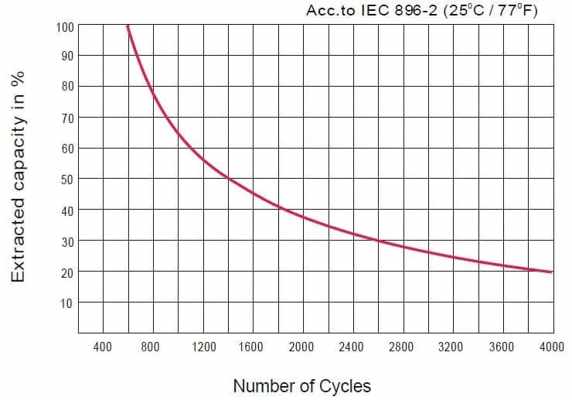
De meeste moderne BESS-eenheden duren tussen 10 En 15 jaren, afhankelijk van de chemie van de batterij en hoe vaak ze worden gebruikt. Prestaties worden meestal gemeten in ‘cycli’," met hoogwaardige lithiumbatterijen 6,000 cycli of meer.
Factoren die de levensduur van de batterij beïnvloeden
Ik leg mijn groothandelspartners altijd uit: "hoe" je de batterij gebruikt, is net zo belangrijk als 'wat'" batterij die u koopt. Warmte is de grootste vijand van elke batterij. Als u uw BESS in een goed geventileerde ruimte bewaart, koel gebied, het zal veel langer duren. Ook, de diepte van de ontlading (DoD) is een sleutelfactor. Als u de batterij leeg laat lopen 0% elke dag, het zal sneller verslijten. De meeste systemen die we bij GYCX Solar ontwerpen, zijn ingesteld op een kleine reserve, die de cellen beschermt en hun levensduur met jaren verlengt.
Het kiezen van de juiste chemie
Er is een groot verschil tussen loodzuur en lithium-ion. Loodzuur is in eerste instantie goedkoper, maar het duurt maar ongeveer 3 naar 5 jaren. Lithium-ijzerfosfaat (LiFePO4) is wat ik nu aanbeveel voor bijna al mijn commerciële en residentiële klanten. Deze batterijen zijn veiliger, dieper kan worden ontladen, en gaan veel langer mee. Als je kijkt naar de ‘kosten per cyclus," Lithium is in de loop van de tijd eigenlijk de goedkopere optie. Wij bieden hiervoor specifieke richtlijnen om ervoor te zorgen dat u uw systeem niet voortijdig hoeft te vervangen.
| Type batterij | Typische levensduur | Cyclus leven | Onderhoud |
|---|---|---|---|
| Lithium-ion (LFP) | 10-15 Jaren | 6,000+ Cycli | Zeer laag |
| Loodhof | 3-5 Jaren | 500-1,000 Cycli | Hoog |
| Flowbatterijen | 20+ Jaren | Onbeperkte cycli | Medium |
Wat is het verschil tussen opslagsystemen voor huishoudelijk gebruik en die voor het elektriciteitsnet?
U kunt gemakkelijk in de war raken door de verschillende formaten batterijen die op de markt verkrijgbaar zijn. Het gebruik van een kleine thuisbatterij voor een fabriek is hetzelfde als proberen een vrachtwagen van stroom te voorzien met een zaklampbatterij.
Huishoudelijke systemen zijn klein en ontworpen voor eengezinswoningen, terwijl systemen op rasterschaal of industriële systemen enorme containers zijn. Ze verschillen in capaciteit, Spanning, en hoe ze omgaan met het lokale energiebedrijf.
Residentiële en kleine commerciële systemen
Voor een typisch huis of een kleine winkel, we installeren meestal "achter de meter"." systemen. Deze zijn compact, vaak aan een muur gemonteerd, en hebben een capaciteit van 5kWh tot 20kWh. Zij richten zich op het zelfvoorzienend maken van de woning. Ik zie dat veel gezinnen deze gebruiken om te bereiken "netto nul2" energieverbruik. Deze systemen zijn eenvoudig te installeren en werken doorgaans met een enkelfasige of driefasige hybride omvormer van merken als Huawei of Growatt.
Nuttige en industriële schaalsystemen
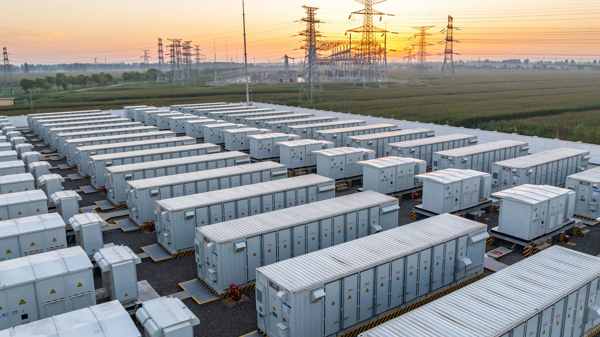
Anderzijds, mijn werk met ontwikkelaars en nutsbedrijven is ‘voor de meter’" systemen. Deze zijn enorm. Ze worden geleverd in zeecontainers en kunnen Megawatts opslaan (Mw) van macht. Hun taak is niet alleen maar het besparen van bouwgeld, maar om het hele net in evenwicht te brengen. Ze bieden "frequentieregeling," waardoor het elektriciteitsnet stabiel blijft wanneer duizenden mensen tegelijkertijd hun airconditioners aanzetten. Deze projecten vereisen complexe engineering en strikte naleving van lokale wetten, dat is waar onze resource-integratiediensten zeer waardevol worden.
| Functie | Woonhuis BESS | Utiliteit/industrieel BESS |
|---|---|---|
| Capaciteit | 5kWh – 30 kWh | 100kWh – 100MWh+ |
| Installatie | Wandgemonteerd of klein rek | Gecontaineriseerd / Openlucht |
| Hoofddoel | Verlaag de huisrekeningen / Back-up | Netstabiliteit / ROI op grote schaal |
| Spanning | Lage spanning (48V) of hoogspanning | Hoogspanning (vaak 1000V+) |
Conclusie
BESS-technologie is de beste manier om uw energiekosten onder controle te houden en ervoor te zorgen dat uw stroom aan blijft. Of u nu een thuisbatterij of een industrieel systeem nodig heeft, wij hebben de producten om te helpen.
Wilt u dat ik een op maat gemaakt zonne-energie- en batterijontwerp maak voor uw specifieke bedrijfs- of thuisbehoeften??
Het begrijpen van UPS-systemen is van cruciaal belang voor bedrijven om continue stroom te garanderen en kostbare stilstandtijden te voorkomen. ↩
Ontdek strategieën en technologieën die ervoor kunnen zorgen dat uw huis een netto-nul energieverbruik bereikt, het bevorderen van duurzaamheid en kostenbesparingen. ↩
