Complete guide to lithium battery rack mount: 你可能想知道
Energy storage options often feel overwhelming and confusing. You want a reliable power backup, but the technical jargon and endless choices make it hard to decide.
A rack mount battery is a modular lithium energy storage unit designed to fit into standard server racks. It offers scalable power, space-saving efficiency, and easy integration with solar inverters, making it an ideal choice for both home and commercial energy systems.

I have seen many customers struggle with messy wiring and bulky lead-acid banks. They often call me looking for a cleaner solution. This guide breaks down everything you need to know about rack mount batteries to help you make the right choice.
What is a rack mount battery and how does it work?
Bulky battery banks take up valuable floor space in your home or business. You need a compact solution that stores energy without cluttering your environment.
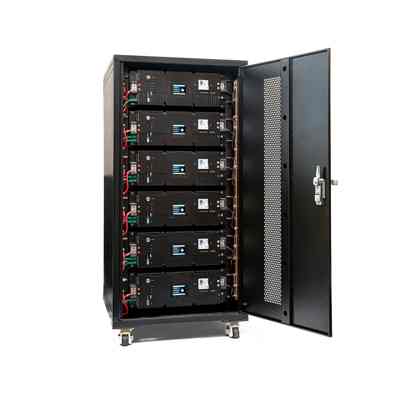
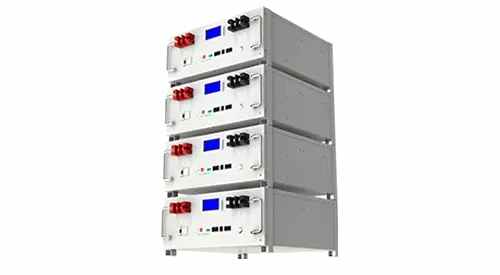
A rack mount battery works by stacking individual battery modules vertically in a standard cabinet. These modules connect together to act as one large energy source, allowing you to expand capacity easily.

I want to explain the design philosophy here. The concept comes from the IT industry. Server racks save space by stacking equipment. Solar manufacturers applied this to batteries. A standard rack mount battery usually comes in a 19-inch width. This size fits into standard server cabinets. You slide the battery into the slot and secure it with screws.
The system works through parallel connections. You connect the positive terminal of one battery to the positive terminal of the next. You do the same for the negative terminals. This increases the total amperage and capacity1 while keeping the voltage the same. 例如, if you have one 5.12kWh module, adding a second one gives you 10.24kWh. You do not need to rewire the whole system. You just add another module to the rack.
Components of the System
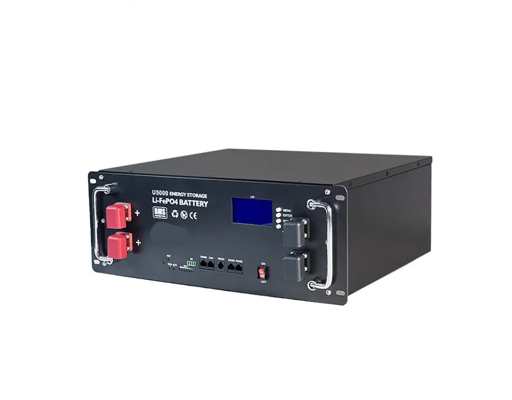
Each module contains battery cells and a Battery Management System (电池管理系统). The cells store the energy. The BMS monitors the health of the cells. It checks the voltage and temperature. This modular approach makes maintenance very simple. 如果一个模块有问题, you remove it. The rest of the system keeps working. This is different from traditional wall-mounted units where the whole system might fail.
| 特征 | 机架式电池 | 壁挂式电池 |
|---|---|---|
| 安装 | Stacked in a cabinet | Mounted on a wall |
| 扩展性 | 高的 (add modules to rack) | 低的 (limited wall space) |
| 维护 | Easy to swap modules | Harder to remove unit |
| 脚印 | Small vertical footprint | Large wall surface area |
What is the role of the main control box of the rack mount battery?
System failures in energy storage can cost you a lot of money. You worry about safety risks and the lack of proper monitoring for your expensive equipment.
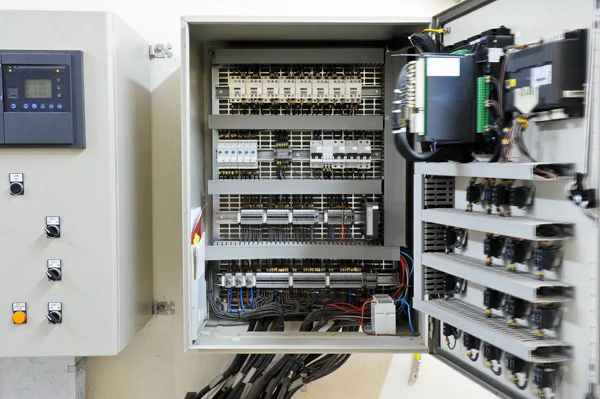
The main control box acts as the central brain of the battery cluster. It manages communication between the battery modules and the inverter, ensuring safe charging and discharging across the entire bank.

I often tell my clients that the battery modules are the muscles, but the control box is the brain. In a large rack system, you might have ten or fifteen battery modules. Without a main control box, these modules might not work together well. The main control box, often called the Master BMS or High Voltage Control Box, collects data from every single module.
It balances the voltage between the modules. If one 电池 charges faster than the others, the control box regulates the current. 这样可以防止过度充电. It protects the lifespan of your investment. The control box also handles external communication. It speaks to your solar inverter. It uses protocols like CAN or RS485 to tell the inverter how much charge is left.
Safety and Monitoring
The control box provides a user interface. You can see the total voltage and current on a screen. It also contains the main breaker. In an emergency, it cuts off the power to the entire rack. This adds a critical layer of safety for commercial applications.
- Data Aggregation: Collects health data from all connected modules.
- Inverter Communication: Sends state-of-charge data to the inverter.
- System Protection: Disconnects the circuit during short circuits or overheating.
- 固件更新: Allows you to update the software for the whole stack.
What are the advantages of a LiFePO4 rack battery?
Old lead-acid batteries die quickly and require constant maintenance. You hate the idea of spending money on replacements every few years.
LiFePO4 rack batteries offer a very long lifecycle and high thermal stability. They provide consistent power output, 充电更快, and require almost no maintenance compared to older battery technologies.

I always recommend Lithium Iron Phosphate (磷酸铁锂) chemistry to my customers. It is currently the safest lithium technology available. The chemical structure is very stable. It does not catch fire easily like other lithium types. This is crucial for batteries installed inside a home or a factory.
The biggest advantage is the cycle life. A good LiFePO4 battery can last for 6,000 周期或更多. 如果您每天循环一次, that is over 15 服务年. Lead-acid batteries often fail after 500 到 1,000 周期. You save a lot of money in the long run because you do not buy replacements.
Scalability and Space
The rack mount design amplifies the benefits of LiFePO4. You get high energy density in a small space. You can stack 50kWh of energy in a space the size of a refrigerator. This is perfect for businesses with limited utility rooms. The standardized size also means you are not locked into one proprietary shape.
| 益处 | 描述 | Value to You |
|---|---|---|
| 安全 | Stable thermal chemistry | Reduced fire risk |
| 长寿 | 6000+ life cycles | Lower total cost of ownership |
| 效率 | 95% 放电深度 | More usable energy per charge |
| 重量 | Lighter than lead-acid | Easier handling and installation |
Where can you apply a rack mount lithium battery?
Power outages stop your business operations and disrupt your life. You need a backup solution that fits different scenarios, from homes to large factories.
You can use rack mount batteries in residential homes, commercial data centers, and telecom base stations. They are perfect for off-grid solar systems and hybrid energy setups that require large energy buffers.

I see these batteries used everywhere now. 在过去, they were only for server rooms. 现在, residential users love them. A homeowner can buy a small cabinet with two modules. As their family grows or they buy an electric vehicle, they buy two more modules. The system grows with them. This flexibility is unique to rack mounts2.
对于我的商业客户, these are essential. Factories use them for "peak shaving." Electricity costs more during peak hours. The factory charges the batteries at night when power is cheap. They use the battery power during the day. This lowers their electricity bill significantly.
Specific Use Cases
- Telecommunications: Base stations need reliable power 24/7. Rack batteries fit perfectly into existing telecom cabinets.
- 离网生活: People in remote areas need large storage. Rack systems allow them to build massive banks to survive days without sun.
- 微电网: Communities can share a large rack-based storage system to stabilize their local grid.
- Emergency Backup: Hospitals and data centers use them to bridge the gap before diesel generators start.
结论
Rack mount batteries offer you a safe, space-saving, and scalable energy solution. Whether for home or business, they simplify storage and secure your power future.