
كل ما يجب أن تعرفه عن بطارية الليثيوم أيون القابلة للتكديس.
انقطاع التيار الكهربائي لا يمكن التنبؤ به ويشكل ضغطًا على أي عائلة أو صاحب عمل. أنت بحاجة إلى نظام نسخ احتياطي موثوق به يناسب احتياجاتك المحددة من الطاقة دون إضاعة المساحة. مرنة, حل التخزين المتنامي هو المفتاح لراحة بالك.
بطارية الليثيوم أيون القابلة للتكديس هي نظام تخزين طاقة معياري يسمح لك بزيادة السعة عموديًا. ويستخدم فوسفات الحديد الليثيوم (LiFePO4) التكنولوجيا لتوفير آمنة, قوة طويلة الأمد. يتيح لك هذا التصميم البدء صغيرًا وإضافة المزيد من وحدات البطارية لاحقًا مع تزايد متطلبات الطاقة لديك.
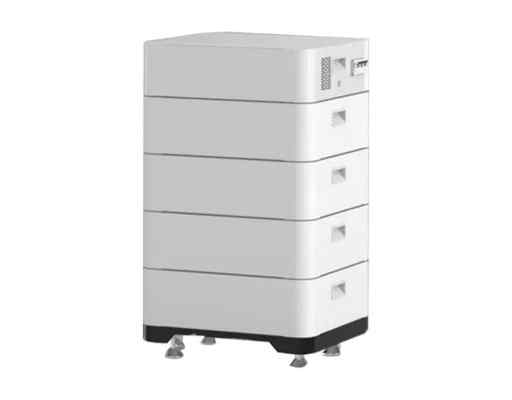
كثيرًا ما أرى العملاء يشترون بطارية ذات حجم ثابت, فقط ليدركوا بعد مرور عام أنهم بحاجة إلى المزيد من القوة. إنهم عالقون في نظام لا يمكنهم توسيعه. سأوضح لك كيفية تجنب هذا الفخ.
ما هي بطارية ليثيوم أيون قابلة للتكديس?
يمكن للمصطلحات التقنية أن تجعل المنتجات البسيطة تبدو مربكة ومخيفة. أنت فقط تريد معرفة ما إذا كان هذا الصندوق سيبقي أضواءك مضاءة. اسمحوا لي أن أشرح الهيكل ببساطة.
بطارية الليثيوم أيون القابلة للتكديس عبارة عن برج من وحدات البطاريات المنفصلة المتصلة ببعضها البعض بدون أسلاك. بدلا من واحدة ثقيلة, صندوق غير قابل للنقل, لديك عدة طبقات أخف. يمكنك بناءها كمجموعة من الكتل للحصول على القدر الدقيق من الطاقة التي تحتاجها.
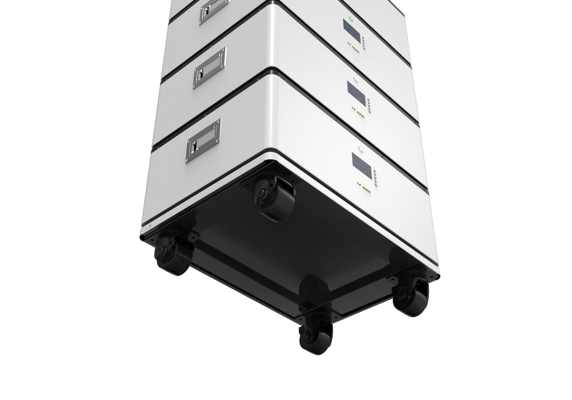
عندما أقدم هذا المنتج لعملائي في com.gycxsolar, أنا أسميها "ليغو"." من العالم الشمسي. إنه يحل أكبر مشكلة في تخزين الطاقة: الوزن وصعوبة التثبيت. يمكن أن تزن بطارية الحائط التقليدية أكثر من 100 كجم. أنت بحاجة إلى فريق لرفعه.
مع نظام قابل للتكديس, لديك ثلاثة أجزاء رئيسية. أولاً, هناك قاعدة. ثانية, هناك وحدات البطارية. قد تحتوي كل وحدة على 5 كيلو واط في الساعة من الطاقة. يمكنك رفع هذه واحدة تلو الأخرى. ثالث, هناك وحدة التحكم (أو صندوق الجهد العالي) على القمة. هذا الدماغ يدير البرج بأكمله.
الجمال الحقيقي هو الاتصال. لا تحتاج إلى قطع الأسلاك أو استخدام أدوات العقص الثقيلة. ما عليك سوى وضع وحدة واحدة فوق الأخرى. تقوم المقابس الخاصة الموجودة داخل الغلاف بتوصيلها تلقائيًا. وهذا يعني مظهرًا نظيفًا بدون وجود كابلات فوضوية. إذا كان لديك منزل صغير الآن, تشتري وحدتين. إذا قمت بشراء سيارة كهربائية في وقت لاحق, ما عليك سوى شراء وحدتين أخريين وتكديسهما في الأعلى. إنها الطريقة الأكثر سهولة في الاستخدام لتخزين الطاقة.
كيف تختلف بطارية الليثيوم أيون القابلة للتكديس عن بطاريات الليثيوم الشمسية الأخرى?
ترى العديد من أشكال وأحجام البطاريات عبر الإنترنت, وجميعهم يدعون أنهم الأفضل. ومن الصعب معرفة الفرق. عليك أن تفهم سبب تفوق التصميم القابل للتكديس من الناحية الفنية.
تختلف البطاريات القابلة للتكديس لأنها غالبًا ما تستخدم توصيلات متسلسلة عالية الجهد بدلاً من التوصيلات المتوازية ذات الجهد المنخفض. وهذا يجعلها أكثر كفاءة للعاكسات المنزلية. على عكس الوحدات المثبتة على الحائط والتي تتطلب توصيلات خارجية لكل وحدة جديدة, يتم توصيل البطاريات القابلة للتكديس داخليًا, توفير المساحة وتقليل فقدان الطاقة.
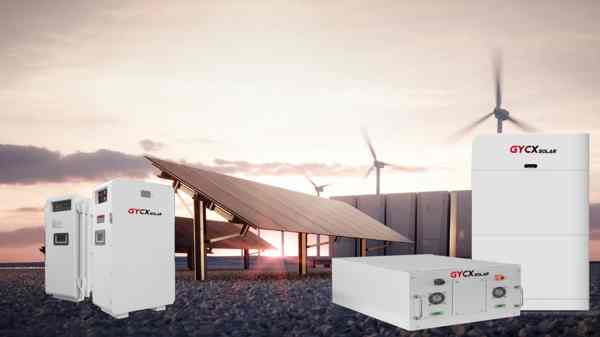
أعتقد أن الفرق الأكثر أهمية بالنسبة لك هو "الجهد العالي"." مقابل "الجهد المنخفض." تعمل معظم البطاريات التقليدية المثبتة على الحامل أو الحائط بجهد 48 فولت (جهد منخفض). عند إضافة المزيد منهم, يمكنك توصيلها بالتوازي. وهذا يزيد من الامبير (حاضِر). التيار العالي يولد الحرارة ويتطلب كثافة عالية, الكابلات النحاسية باهظة الثمن. إنه أقل كفاءة لأن العاكس يجب أن يعمل بجهد أكبر لتحويل 48 فولت إلى 220 فولت أو 110 فولت الذي يستخدمه منزلك.
عادة ما تعمل البطاريات القابلة للتكديس بشكل مختلف. عندما تكدسهم, قمت بتوصيلهم في سلسلة. هذا يرفع الجهد, ليس الحالي. قد تنتج مجموعة من أربع وحدات 200 فولت أو 400 فولت.
فيما يلي جدول مقارنة بسيط أستخدمه لإظهار الفرق:
| ميزة | بطارية قابلة للتكديس (الجهد العالي) | بطارية الجدار/الرف (جهد منخفض) |
|---|---|---|
| كفاءة | عالي: أقرب إلى شبكة الجهد. | أدنى: العاكس يعمل بجد أكبر. |
| الكابلات | مختفي: موصلات داخلية. | فوضوي: هناك حاجة إلى أسلاك سميكة خارجية. |
| توسع | سهل: مجرد كومة على القمة. | أصعب: تحتاج إلى مساحة الجدار والأسلاك. |
| البصمة | صغير: يستخدم المساحة العمودية. | كبير: يستخدم مساحة الجدار الأفقية. |
أيضًا, النظر في الجماليات. يحب عملائي السكنيون أن تبدو الوحدات القابلة للتكديس وكأنها جهاز منزلي أنيق, على غرار الثلاجة أو جهاز تنقية الهواء. إنها تتناسب مع تصميم المنزل الحديث بشكل أفضل بكثير من الصندوق المعدني ذو المظهر الصناعي المعلق على جدار المرآب.
ما هي أفضل بطاريات الليثيوم أيون الشمسية للمنزل؟?
اختيار العلامة التجارية الصحيحة1 يبدو الأمر وكأنه مقامرة بأموالك التي كسبتها بشق الأنفس. أنت لا تريد وحدة رخيصة تفشل خلال عامين. تريد أ النظام الذي يدوم2 طالما منزلك.
أفضل بطاريات الطاقة الشمسية ليثيوم أيون للاستخدام المنزلي فوسفات حديد الليثيوم (LiFePO4) كيمياء. يجب أن تبحث عن دورة حياة أكثر من ذلك 6,000 دورات, ضمان لمدة 10 سنوات, والتوافق الذكي مع أفضل العلامات التجارية للعاكسات مثل Huawei أو Growatt.
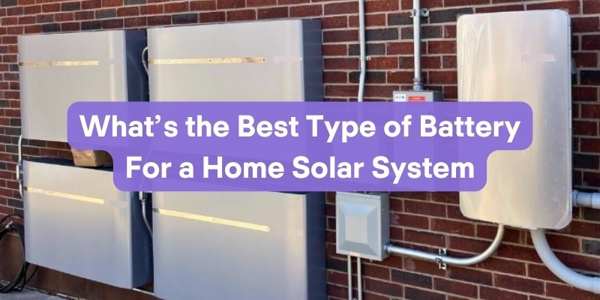
عندما أنصح عملائي, أقول لهم دائمًا أن يتجاهلوا "NMC" (الكوبالت المنغنيز النيكل) البطاريات. هذه هي تلك المستخدمة في الهواتف وبعض السيارات. فهي خفيفة, لكنها يمكن أن تشتعل فيها النيران في حالة تلفها. لمنزلك, تريد "LFP" (LiFePO4). هم أثقل قليلا, لكن يكاد يكون من المستحيل ارتفاع درجة حرارتها وتدوم مرتين.
الأفضل" البطارية هي أيضًا التي تتحدث إلى العاكس الخاص بك. البطارية غبية من تلقاء نفسها. يحتاج إلى التواصل مع العاكس لمعرفة متى يتم الشحن والتفريغ. في جيكسسولار, نحن نوفر بطاريات قابلة للتكديس مبرمجة مسبقًا للعمل مع محولات Growatt وHuawei. هذه "المصافحة" بين الأجهزة يضمن تشغيل النظام الخاص بك بسلاسة.
يجب عليك أيضًا أن تنظر إلى عمق التفريغ (وزارة الدفاع)3. بطارية جيدة تتيح لك الاستخدام 90% أو 100% من قوتها. بطاريات الرصاص الحمضية الأقدم تسمح لك بالاستخدام فقط 50%. هذا يعني أنك تشتري صندوقًا أكبر ولكن تحصل على طاقة أقل. أخيراً, النظر في الدعم. الشراء من مورد متكامل مثلنا يعني حدوث خطأ ما, لديك شخص واحد للاتصال به, لا ثلاث شركات مختلفة تلوم بعضها البعض.
ماذا يحدث لبطارية الليثيوم أيون الشمسية خلال فصل الشتاء أو العواصف الثلجية?
انقطاع التيار الكهربائي في فصل الشتاء هو عندما تكون في أمس الحاجة إلى البطارية. أنت قلق من أن البرد القارس سيقتل البطارية تمامًا كما يقتل بطارية هاتفك. عليك أن تعرف ما إذا كانت ستنجو من عاصفة ثلجية.
يؤدي البرد الشديد إلى إبطاء التفاعلات الكيميائية داخل بطاريات الليثيوم أيون, والتي يمكن أن تقلل من الأداء. لكن, تتميز البطاريات الحديثة القابلة للتكديس بأنظمة تدفئة مدمجة في نظام إدارة المباني الخاص بها. تعمل هذه التقنية على تدفئة خلايا البطارية حتى تتمكن من الشحن بأمان حتى عندما تنخفض درجات الحرارة الخارجية إلى ما دون درجة التجمد.
لدي العديد من العملاء في المناطق الباردة الذين يشعرون بالقلق بشأن هذا الأمر. إنه مصدر قلق صحيح. الكيمياء تكره البرد. عندما تنخفض درجة الحرارة, تتحرك أيونات الليثيوم وكأنها تمشي في الوحل.
هنا هي القاعدة الحاسمة: يمكنك عادة تسريح (استخدام القوة) من بطارية الليثيوم في البرد, ولكن يجب عليك أبدا تكلفة ذلك عندما يتم تجميده. يؤدي شحن بطارية الليثيوم المجمدة إلى "طلاء الليثيوم"." يؤدي ذلك إلى إتلاف البطارية بشكل دائم ويمكن أن يؤدي إلى تعطلها.
لحل هذا, تتمتع أفضل البطاريات القابلة للتكديس بوظيفة التسخين الذاتي الذكية. عندما يرى المستشعر أن درجة الحرارة قريبة من 0 درجة مئوية (32° f), يستخدم القليل من الطاقة الشمسية القادمة لتدفئة منصات التدفئة داخل الوحدة. بمجرد أن تصبح البطارية دافئة بدرجة كافية (عادة أعلى من 5 درجات مئوية), يسمح ببدء الشحن.
إليك ما يمكنك توقعه في الطقس المختلف:
| درجة حرارة | بدون وظيفة التدفئة | مع وظيفة التدفئة الذكية |
|---|---|---|
| 10درجة مئوية إلى 30 درجة مئوية | يعمل على أكمل وجه. | يعمل على أكمل وجه. |
| 0درجة مئوية إلى 10 درجة مئوية | يتباطأ الشحن. | يعمل على أكمل وجه. |
| أقل من 0 درجة مئوية | يتوقف عن الشحن تماما. | يسخن أولا, ثم يتهم. |
| -20درجة مئوية | قد يغلق لحماية نفسه. | يحافظ على درجة الحرارة الداخلية آمنة. |
إذا كنت تعيش في منطقة باردة جدًا, ما زلت أوصي بتركيب البطارية في مرآب أو سقيفة معزولة. السخان يعمل, لكنه يستخدم الطاقة. إن الاحتفاظ بالبطارية في المرآب يوفر هذه الطاقة لمنزلك.
خاتمة
بطاريات الليثيوم القابلة للتكديس هي الأكثر أمانًا, الطاقة الأكثر مرونة لمنزلك. يمكنني مساعدتك في تصميم نظام معياري يناسب ميزانيتك اليوم وينمو معك غدًا.
إن فهم العوامل الرئيسية في اختيار العلامة التجارية يمكن أن يساعد في ضمان الاستثمار في المنتجات عالية الجودة التي تدوم طويلاً. ↩
إن استكشاف الموارد المتعلقة بالأنظمة الدائمة سوف يرشدك إلى اتخاذ قرارات مستنيرة للاستثمارات طويلة الأمد. ↩
يعد فهم وزارة الدفاع أمرًا بالغ الأهمية لزيادة كفاءة البطارية وعمرها إلى الحد الأقصى. استكشف هذا الرابط لمعرفة المزيد. ↩
