
Tudo o que você deve saber sobre bateria empilhável de íon de lítio.
As falhas de energia são imprevisíveis e estressantes para qualquer família ou empresário. Você precisa de um sistema de backup confiável que atenda às suas necessidades específicas de energia sem desperdiçar espaço. Um flexível, A crescente solução de armazenamento é a chave para sua tranquilidade.
Uma bateria empilhável de íons de lítio é um sistema modular de armazenamento de energia que permite aumentar a capacidade verticalmente. Ele usa fosfato de ferro e lítio (LiFePO4) tecnologia para fornecer segurança, poder duradouro. Este design permite que você comece aos poucos e adicione mais módulos de bateria posteriormente, à medida que suas demandas de energia aumentam.
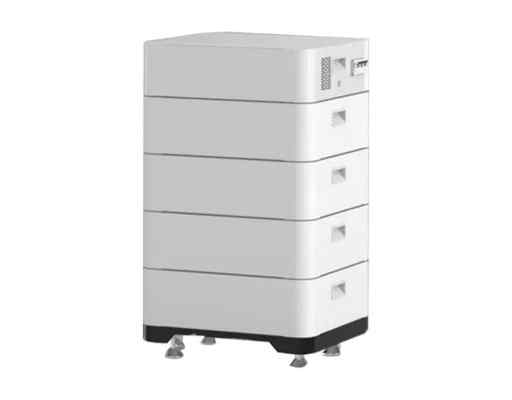
Muitas vezes vejo clientes comprando uma bateria de tamanho fixo, apenas para perceber um ano depois que eles precisam de mais energia. Eles ficam presos a um sistema que não podem expandir. Eu vou te mostrar como evitar essa armadilha.
O que é uma bateria empilhável de íons de lítio?
O jargão técnico pode fazer com que produtos simples pareçam confusos e intimidadores. Você só quer saber se esta caixa manterá suas luzes acesas. Deixe-me explicar a estrutura simplesmente.
Uma bateria empilhável de íons de lítio é uma torre de unidades de bateria separadas conectadas entre si sem fios. Em vez de um pesado, caixa imóvel, você tem várias camadas mais claras. Você o constrói como um conjunto de blocos para obter a quantidade exata de energia necessária.
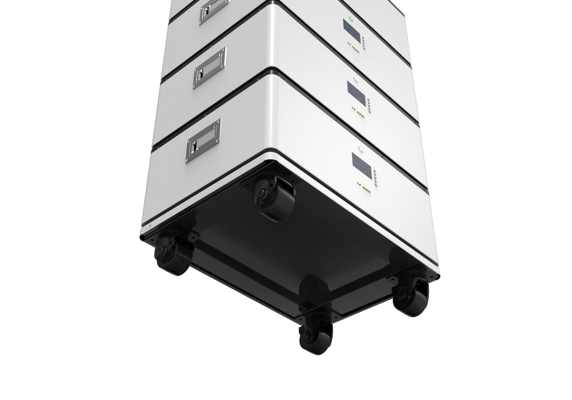
Quando apresento este produto aos meus clientes em gycxsolar, Eu chamo isso de "Lego" do mundo solar. Resolve o maior problema no armazenamento de energia: peso e dificuldade de instalação. Uma bateria de parede tradicional pode pesar mais de 100kg. Você precisa de uma equipe para levantá-lo.
Com um sistema empilhável, você tem três partes principais. Primeiro, existe uma base. Segundo, existem os módulos de bateria. Cada módulo pode conter 5 kWh de energia. Você pode levantá-los um por um. Terceiro, existe uma unidade de controle (ou caixa de alta tensão) no topo. Este cérebro gerencia toda a torre.
A verdadeira beleza é a conexão. Você não precisa cortar fios ou usar ferramentas pesadas de crimpagem. Basta colocar um módulo em cima do outro. Plugues especiais dentro da caixa conectam-nos automaticamente. Isso significa uma aparência limpa, sem cabos bagunçados pendurados. Se você tem uma casa pequena agora, você compra dois módulos. Se você comprar um carro elétrico mais tarde, você acabou de comprar mais dois módulos e empilhá-los em cima. É a maneira mais fácil de armazenar energia.
Como a bateria empilhável de íons de lítio é diferente de outras baterias solares de lítio?
Você vê muitos formatos e tamanhos de baterias online, e todos eles afirmam ser os melhores. É difícil dizer a diferença. Você precisa entender por que o design empilhável é tecnicamente superior.
As baterias empilháveis diferem porque geralmente usam conexões em série de alta tensão em vez de conexões paralelas de baixa tensão. Isso os torna mais eficientes para inversores domésticos. Ao contrário das unidades montadas na parede que requerem fiação externa para cada unidade nova, baterias empilháveis conectadas internamente, economizando espaço e reduzindo a perda de energia.
Acredito que a diferença mais importante para você é "Alta Tensão" versus "Baixa Tensão." A maioria das baterias tradicionais de montagem em rack ou de parede operam a 48V (Baixa voltagem). Quando você adiciona mais deles, você os conecta em paralelo. Isso aumenta os amplificadores (atual). A alta corrente cria calor e requer uma espessura muito espessa, cabos de cobre caros. É menos eficiente porque o inversor tem que trabalhar mais para converter esses 48V em 220V ou 110V que sua casa usa.
Baterias empilháveis geralmente funcionam de maneira diferente. Quando você os empilha, você os conecta em série. Isso aumenta a tensão, não o atual. Uma pilha de quatro módulos pode produzir 200V ou 400V.
Aqui está uma tabela de comparação simples que uso para mostrar a diferença:
| Recurso | Bateria empilhável (Alta tensão) | Bateria de parede/rack (Baixa voltagem) |
|---|---|---|
| Eficiência | Alto: Mais perto da tensão da rede. | Mais baixo: O inversor trabalha mais. |
| Cabos | Escondido: Conectores internos. | Bagunçado: São necessários fios grossos externos. |
| Expansão | Fácil: Basta empilhar em cima. | Mais difícil: precisa de espaço na parede e fiação. |
| Pegada | Pequeno: Usa espaço vertical. | Grande: Usa espaço de parede horizontal. |
Também, considere a estética. Meus clientes residenciais adoram que as unidades empilháveis pareçam um eletrodoméstico elegante, semelhante a uma geladeira ou purificador de ar. Eles se encaixam muito melhor no design de uma casa moderna do que em uma caixa de metal de aparência industrial pendurada na parede da garagem..
Quais são as melhores baterias solares de íon de lítio para uso doméstico?
Escolhendo o marca certa1 parece uma aposta com seu dinheiro suado. Você não quer uma unidade barata que falhe em dois anos. Você quer um sistema que dura2 contanto que sua casa.
As melhores baterias solares de íon de lítio para uso doméstico Fosfato de ferro e lítio (LiFePO4) química. Você deve procurar um ciclo de vida superior 6,000 ciclos, uma garantia de 10 anos, e compatibilidade inteligente com as principais marcas de inversores como Huawei ou Growatt.
Quando eu aconselho meus clientes, Eu sempre digo a eles para ignorarem o "NMC" (Níquel Manganês cobalto) baterias. Estes são os usados em telefones e alguns carros. Eles são leves, mas eles podem pegar fogo se danificados. Para sua casa, você quer "LFP" (LiFePO4). Eles são um pouco mais pesados, mas são quase impossíveis de superaquecer e duram o dobro.
O melhor" bateria também é aquela que conversa com seu inversor. Uma bateria é burra por si só. Ele precisa se comunicar com o inversor para saber quando carregar e descarregar. Na gycxsolar, fornecemos baterias empilháveis pré-programadas para funcionar com inversores Growatt e Huawei. Este "aperto de mão" entre os dispositivos garante que seu sistema funcione sem problemas.
Você também deve olhar para o Profundidade de Descarga (Departamento de Defesa)3. Uma boa bateria permite que você use 90% ou 100% de seu poder. As baterias de chumbo-ácido mais antigas só permitem o uso 50%. Isso significa que você está comprando uma caixa maior, mas obtendo menos energia. Finalmente, considere o apoio. Comprar de um fornecedor completo como nós significa que se algo der errado, você tem uma pessoa para ligar, não três empresas diferentes culpando umas às outras.
O que acontece com uma bateria solar de íon de lítio durante o inverno ou tempestades de neve?
Os apagões de inverno são quando você mais precisa da bateria. Você se preocupa que o frio congelante acabe com a bateria, assim como mata a bateria do seu telefone. Você precisa saber se sobreviverá a uma tempestade de neve.
O frio extremo retarda as reações químicas dentro das baterias de íons de lítio, o que pode reduzir o desempenho. No entanto, baterias empilháveis modernas apresentam sistemas de aquecimento integrados em seu BMS. Esta tecnologia aquece as células da bateria para que possam carregar com segurança mesmo quando as temperaturas externas caem abaixo de zero.

Tenho muitos clientes em regiões frias que se preocupam com isso. É uma preocupação válida. Química odeia frio. Quando a temperatura cai, os íons de lítio se movem como se estivessem andando na lama.
Aqui está a regra crítica: Você geralmente pode descarga (usar poder) de uma bateria de lítio no frio, mas você nunca deve cobrar isso quando está congelado. Carregar uma bateria de lítio congelada causa "revestimento de lítio"." Isso danifica permanentemente a bateria e pode causar falha.
Para resolver isso, as melhores baterias empilháveis têm uma função inteligente de autoaquecimento. Quando o sensor detecta que a temperatura está próxima de 0°C (32°F), ele usa um pouco da energia solar que entra para aquecer as almofadas de aquecimento dentro do módulo. Quando a bateria estiver quente o suficiente (geralmente acima de 5°C), permite que o carregamento comece.
Aqui está o que você pode esperar em climas diferentes:
| Temperatura | Sem função de aquecimento | Com função de aquecimento inteligente |
|---|---|---|
| 10°C a 30 °C | Funciona perfeitamente. | Funciona perfeitamente. |
| 0°C a 10 °C | O carregamento fica mais lento. | Funciona perfeitamente. |
| Abaixo de 0°C | Pára de carregar completamente. | Aquece primeiro, então cobra. |
| -20°C | Pode desligar para se proteger. | Mantém a temperatura interna segura. |
Se você mora em uma área muito fria, Ainda recomendo instalar a bateria em uma garagem ou galpão isolado. O aquecedor funciona, mas usa energia. Manter a bateria na garagem economiza energia para sua casa.
Conclusão
Baterias de lítio empilháveis oferecem o mais seguro, energia mais flexível para sua casa. Posso ajudá-lo a projetar um sistema modular que caiba no seu orçamento hoje e cresça com você amanhã.
Compreender os fatores-chave na seleção de uma marca pode ajudar a garantir que você invista em produtos de qualidade que duram. ↩
A exploração de recursos em sistemas duráveis irá guiá-lo na tomada de decisões informadas para investimentos duradouros. ↩
Compreender o DoD é crucial para maximizar a eficiência e a vida útil da bateria. Explore este link para saber mais. ↩
