
Was ist besser? : Gel- oder Blei-Säure-Batterie?
High electricity costs and power instability are hurting your business profits and home comfort. Choosing the wrong battery for your solar system leads to frequent replacements and wasted money.
Gel batteries are generally better than standard lead-acid batteries for solar use because they are maintenance-free and leak-proof. While more expensive upfront, they offer a longer cycle life and better performance in deep-discharge and high-temperature environments, making them a smarter long-term investment for most solar projects.

I have seen many clients struggle to pick the right energy storage. It is not just about the price today; it is about how much you pay over the next five years. Let me walk you through the details so you can make a choice that actually saves you money.
What Is The Lead Acid Battery?
Traditional lead-acid batteries are heavy and require constant attention to keep them working. If you forget to check them, they fail early and leave your facility without any backup power.
A lead-acid battery is the oldest type of rechargeable battery. It uses lead plates and an acid liquid to store energy. These are common because they are cheap to buy, but they need regular water refills to stay functional.
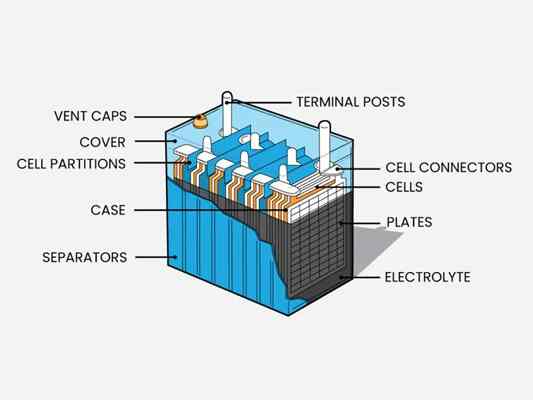
When I talk to wholesalers, they often ask why lead-acid is still around. The answer is cost. Jedoch, the "true" lead-acid battery many people refer to is the "flooded" or "wet cell" Typ. These batteries use a liquid electrolyte. Because the liquid can evaporate or leak, you must keep them upright and in a ventilated area. In my experience with industrial projects, this maintenance is a hidden cost. You have to pay someone to check the fluid levels. If the battery vents gas, it can also corrode the metal racks nearby. This is why many of our clients are moving toward sealed options.
| Besonderheit | Flooded Lead-Acid Details |
|---|---|
| Wartung | Hoch (Requires regular water topping) |
| Montage | Must be upright to prevent leaks |
| Belüftung | Hoch (Releases gases during charging) |
| Am besten für | Budget-restricted projects with easy access |
The Mechanics of Traditional Lead Acid
In these batteries, the chemical reaction happens in a liquid environment. This is simple and well-understood. But the downside is "sulfation." If you do not charge the battery fully, lead sulfate crystals build up on the plates. This ruins the battery’s ability to hold a charge. For a factory owner, this means your backup system might fail exactly when the grid goes down.
Understanding Gel Batteries and Lead-Acid Batteries?
You want a battery that works without you having to touch it every month. Standard batteries can leak acid and damage your expensive solar equipment, creating a mess and a safety hazard.
A gel battery is a type of lead-acid battery where the acid is turned into a thick gel. This makes the battery completely sealed and spill-proof. You do not need to add water, which saves time and labor costs.
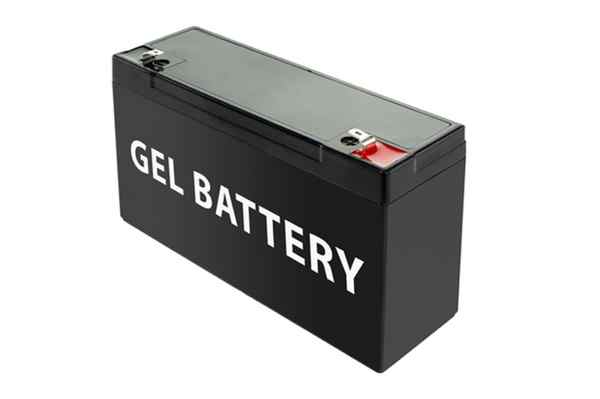
I often recommend gel batteries to my clients in remote areas. Warum? Because sending a technician to a remote site just to add water to a battery is too expensive. The gel is created by adding silica to the electrolyte. This creates a thick substance that does not move. Because it is solid, the battery can handle vibrations and shocks much better than a liquid one. This is perfect for industrial sites with heavy machinery nearby. Auch, the gel protects the plates better during deep discharges. If your solar system drains the battery low at night, a gel battery will survive much longer than a standard wet cell.
Why Gel Technology Matters for Solar
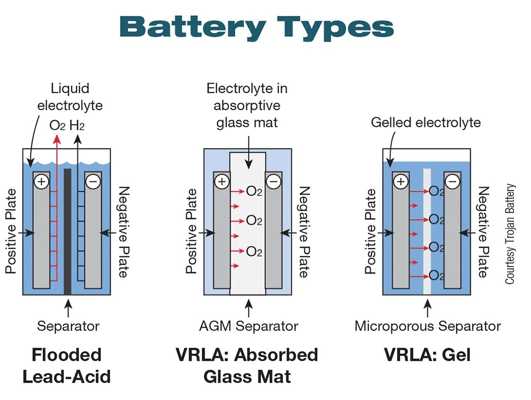
Gel batteries are part of the VRLA (Valve Regulated Lead Acid) family. They use a one-way valve to manage pressure. This means the gases produced during charging stay inside and recombine into water. This is why you never have to "refill" them.
| Gel Battery Pro | Benefit for User |
|---|---|
| Non-Spillable | Safe for indoor use and sensitive areas |
| Deep Cycle | Lasts longer when used daily for solar |
| Wärmestabilität | Works better in hot climates without drying out |
Is a Gel Battery Lead-Acid? And Are AGM Batteries Lead-Acid?
Confusing technical terms can make you buy the wrong product for your specific solar setup. If you do not know if a battery is lead-acid based, you might use the wrong charger and ruin it.
Ja, both Gel and AGM (Absorbed Glass Mat) batteries are types of lead-acid batteries. They use the same chemistry but different internal designs to hold the acid. They are called "Sealed Lead Acid" or "Maintenance-Free" Batterien.
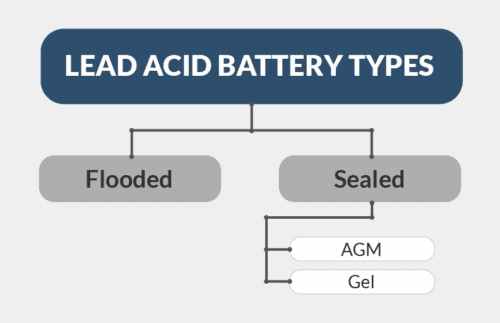
It is a common mistake to think these are completely different technologies. Denken Sie an "Lead-Sacid" as the family name. Standard flooded batteries are the "messy" siblings, while AGM and Gel are the "clean" siblings. In an AGM battery, the acid is soaked into a fiberglass mat. In a gel battery, it is turned into a paste. I see many residential users choose AGM for high-power bursts, like starting a motor. Jedoch, for steady solar energy storage, Gel is usually the winner. Gel batteries handle slow, deep discharges better than AGM. We supply all these types at GYCX Solar because every project has a different priority. Knowing that they are all lead-acid helps you understand that they all share similar charging limits.
Comparing VRLA Sub-types
It is important to understand that while they are all lead-acid, their physical state changes how they behave. AGM is great for cold weather, but Gel is much better for the heat we often see in solar installations.
| Akku-Typ | Acid State | Bester Anwendungsfall |
|---|---|---|
| Überflutet | Flüssig | Low-cost, belüftete Gebiete |
| Hauptversammlung | Soaked Mat | High current, cold weather |
| Gel | Thick Paste | Langes Leben, hot weather, tiefe Zyklen |
What’s the Difference Between Them?
Buying the cheapest battery1 often leads to higher costs later because of short lifespans and high maintenance. You need to know the performance gaps to protect your investment and ensure your power stays on.
The main differences are in maintenance, Lebensdauer, und Kosten. Standard lead-acid is cheaper but needs care and lasts fewer cycles. Gel is more expensive but lasts longer, needs no maintenance, and is much safer to install anywhere.
When I help a developer design a solar farm, we look at the "Ebenen der Speicherkosten2." A standard lead-acid battery might last 300 Zu 500 Fahrräder. A high-quality gel battery can easily reach 800 Zu 1,000 Fahrräder. This means even though the gel battery costs more on day one, it actually costs less per year of use. Auch, consider the installation. You can put a gel battery on its side if you have a tight space. You can never do that with a flooded battery. For my industrial clients, the safety of gel is the biggest factor. There is no risk of acid spills or explosive gas buildup in the battery room. This makes compliance with safety regulations much easier for your business.
Key Performance Comparison
Um Ihnen ein klareres Bild zu geben, I have broken down the technical differences. These details matter when you are trying to hit an ROI target for a commercial project.
| Besonderheit | Flooded Lead Acid | Gel-Batterie |
|---|---|---|
| Initial Cost | Lowest | Medium-High |
| Lebensdauer | Untere (ca.. 500) | Höher (ca.. 1000) |
| Selbstentladung | Höher (needs frequent charging) | Sehr niedrig (holds charge longer) |
| Sicherheit | Risk of acid leaks/gas | Very safe and sealed |
| Installation | Upright only | Flexible positions |
Abschluss
Choosing between gel and lead-acid depends on your budget and maintenance ability. Gel Batterien offer better safety, längeres Leben, and zero maintenance for serious solar users.
Would you like me to provide a customized quote or a system design for your specific solar battery needs?
