
Yleiskatsaus
Aurinkosähkö (PV), auringonnousun toimialana uusilla energiamarkkinoilla, on kukoistava. kuitenkin, markkinoiden arvaamattomuus ja sijoituskustannukset asettavat myös toiminnallisia haasteita siitä kiinnostuneille sijoittajille.
kuitenkin, aurinkoenergia on yksi kustannustehokkaimmista uuden energian lähteistä, ja energian varastointitekniikka on välttämätön osa aurinkosähköjärjestelmien tukemista, jotta ne tarjoavat pidemmän ajan energiaa ilman auringonvaloa.
Koska me kaikki tiedämme, että sää vaikuttaa suuresti aurinkosähkön varastointijärjestelmiin, ja niiden sähköntuotanto vähenee pilvisinä päivinä. Tällä hetkellä, aurinkosähköenergian varastoinnista tulee erityisen tärkeä.
Aurinkosähköiset energian varastointijärjestelmät voidaan integroida aurinkopaneeleihin lisäämään aurinkoenergiaa. Nämä varastointitekniikat antavat sinulle mielenrauhan varastoimalla energiaa tulevaa käyttöä varten.
This article introduces photovoltaic energy storage to you from multiple perspectives, and I believe it will be helpful to you.

1.Aurinkosähköisten energian varastointijärjestelmien määritelmä
1.1 Mikä on aurinkosähköenergian varastointijärjestelmä?
Photovoltaic energy storage system is a combination of equipment and technology, based on photovoltaic accessory equipment, which converts solar energy into electrical energy with technical support, supplies power to loads, and stores excess electrical energy for use at night or when there is no public grid power supply.
Its solar cells capture and store solar energy. They can serve as backup power sources during power outages and lack of sunlight, and provide support for homeowners and business owners who want their own energy independence.
1.2 Kuinka PV-kennojärjestelmä toimii?
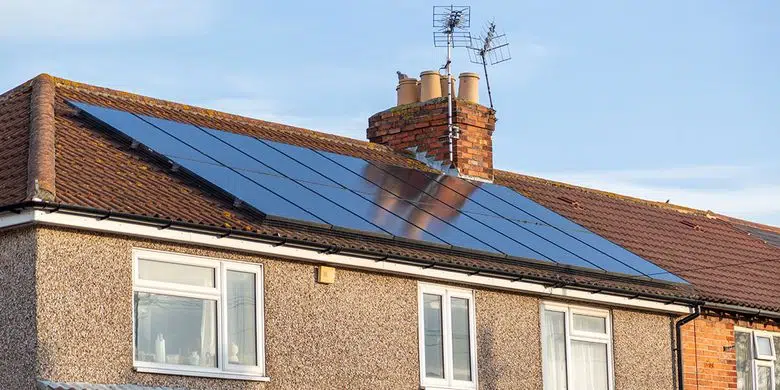
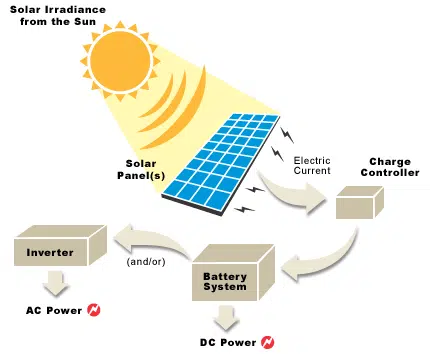
Aurinkosähkö (PV) panels capture sunlight, which is then converted from direct current (DC) electricity to alternating current (AC) sähköä loppukäyttäjille aurinkosähköinvertterin kautta. Tällä hetkellä tuotettu sähkö kulutetaan välittömästi, ja voidaan myös myydä julkisille verkko-operaattoreille tai varastoida tallennuslaitteisiin, joissa on kapasiteettia varmuuskopiointia varten.
2.Mitkä ovat aurinkosähköenergian varastoinnin pääkomponentit?
2.1 Aurinkosähkömoduulit
Koostuu useista aurinkosähkömoduuleista (tunnetaan myös aurinkopaneeleina), vastuussa auringonvalon vangitsemisesta ja muuntamisesta tasavirraksi (DC).
2.2 Tukee, tarvikkeet, ja kaapelit
PV tuki käytetään aurinkopaneelien kiinnittämiseen ja tuotetun tasavirran välittämiseen invertteriin.
2.3 Aurinkosähköinen invertteri
Kääntämällä tasavirta (DC) aurinkopaneelien tuottamaa, vaihtovirta (AC) syntyy, ja ylimääräinen sähköenergia varastoidaan aurinkosähköenergian varastointijärjestelmään.
2.4 Energian varastointilaitteet
Yleensä viittaa akkutyyppeihin, kuten litiumioniakkuihin, jotka varastoivat aurinkopaneelien tuottaman sähköenergian, jota ei heti käytetä.
2.5 EMS ja BMS
EMS on järjestelmä, joka valvoo ja hallitsee koko järjestelmää varmistaakseen kaikkien osien normaalin toiminnan. BMS on akunhallintajärjestelmä, joka vastaa akkujen lataamisen ja purkamisen ohjaamisesta.
2.6 Yhdistyslaatikko
Tämä sisältää erilaisia suojavarusteita ja kytkimiä, kuten ylijännitesuojat (salamansammuttimet), sulakkeet, verkkovirran katkaisijat, keskeytymättömän tehon katkaisijat, ja muut käyttölaitteet aurinkoenergiaan kytkettyjen invertterien keskellä.

3. Prosessi sähköenergian saamiseksi aurinkoenergiasta aurinkosähköjärjestelmissä
3.1 Fotonien absorptio
Kun auringonvalo paistaa aurinkopaneelin materiaaliin (nykyään yleensä yksikiteinen pii), puolijohdemateriaali absorboi fotonien energian.
3.2 Elektronien viritys
Absorboitunut fotonienergia saa puolijohteiden elektronit siirtymään valenssikaistalta johtavuuskaistalle, siirtyminen sidotusta tilasta vapaaseen tilaan.
3.3 Sähkökentän muodostaminen
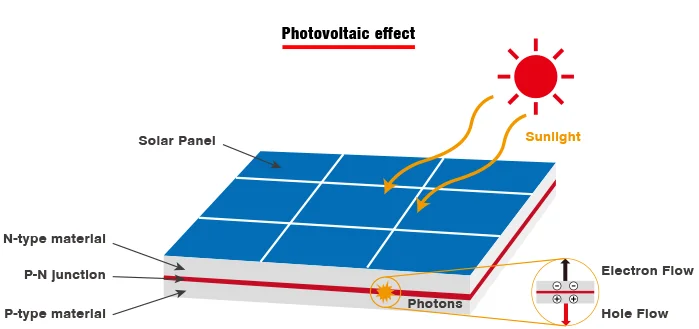
There are usually P-type and N-type regions in photovoltaic materials, and an internal electric field is formed at the junction of these two regions (eli. PN junction).
3.4 Virran tuottaminen
This internal electric field drives free electrons to move towards the N-type region and holes to move towards the P-type region, which generates current.
3.5 Sähköenergian varastointi
Lithium batteries convert this current into AC or DC through an inverter and store it in the photovoltaic energy storage system for future use.
4.Kuinka aurinkosähköenergian varastointijärjestelmä toimii?
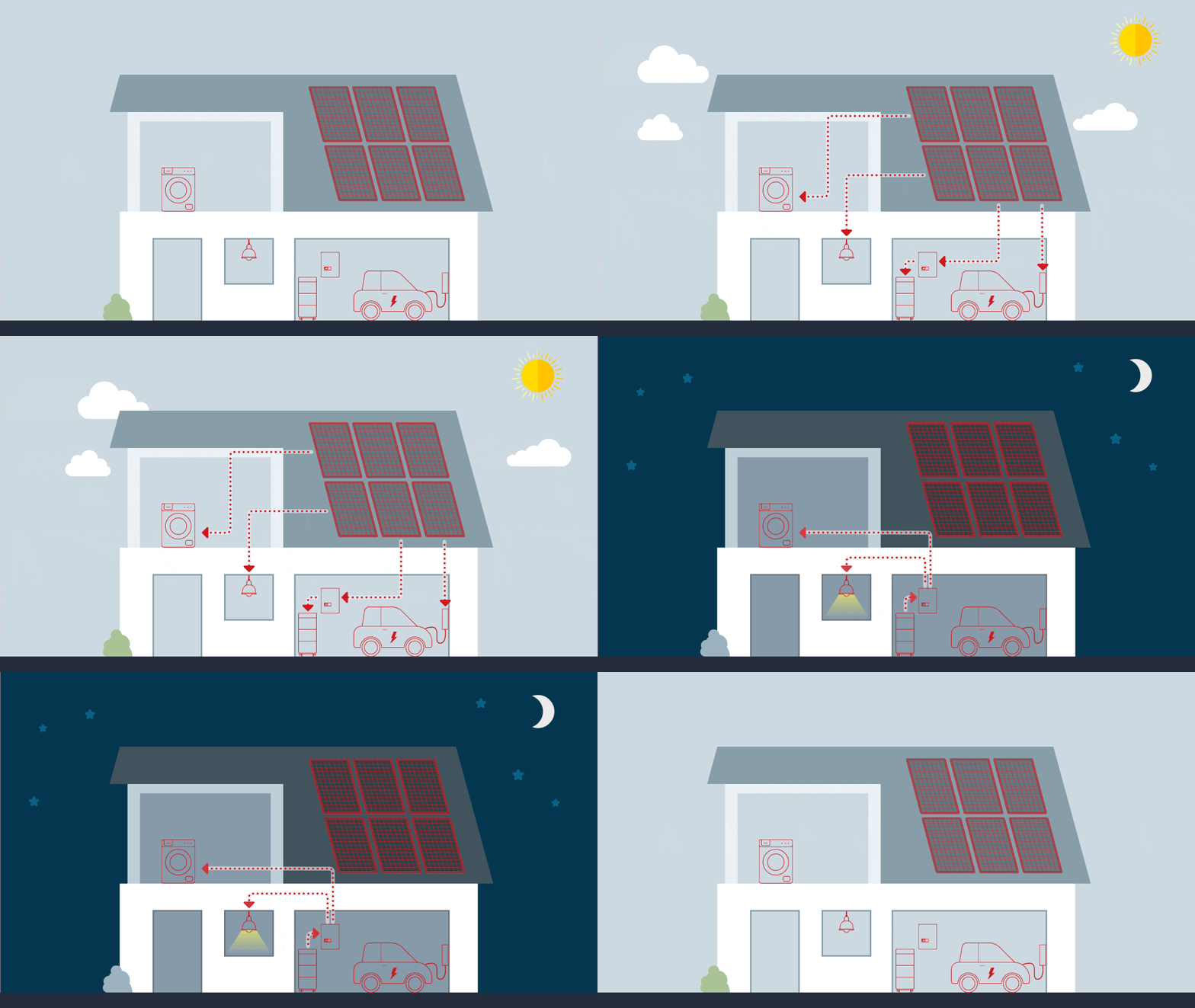
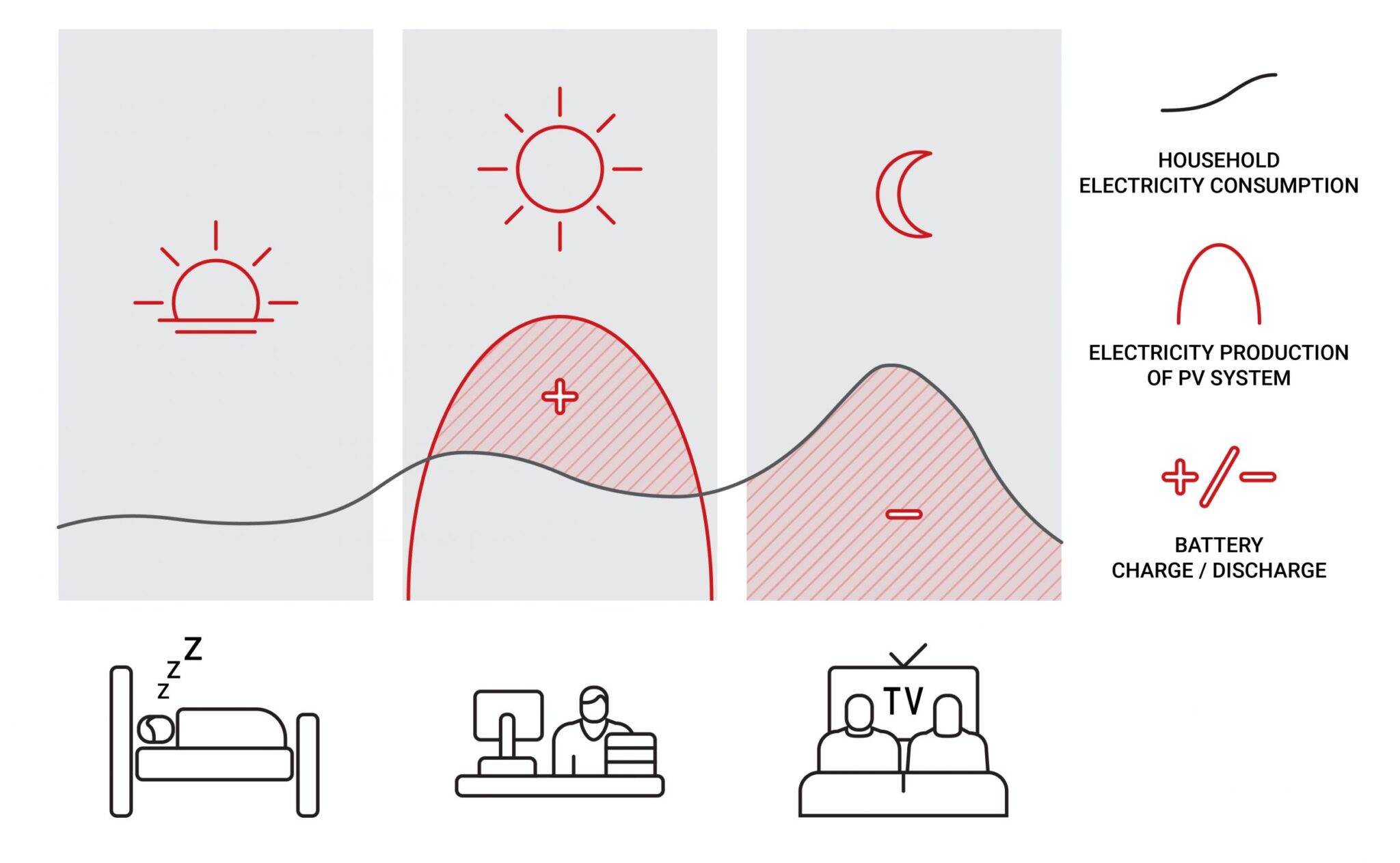
Solar panels themselves cannot store energy, but solar cells can. During peak hours of sunlight, the battery captures and stores unused energy in the photovoltaic energy storage system.
The following is the principle of integrated and collaborative work between solar cell systems and solar panel systems:
Solar panels collect solar energy in the form of direct current during the day. The solar panel inverter converts direct current into alternating current (AC) before it can be used by end customers. One or more rechargeable solar cells (yleisimmin litiumioniakut) are directly connected to the solar system. The excess energy flowing into the battery during the day is stored by the battery.
This surplus power can be used at night or during power outages in the power grid. It is an excellent backup choice for photovoltaic energy storage intelligent systems. If it is a remote area or a user pursuing energy independence, this is also a matching choice for most people when choosing an off grid system.
5.Aurinkosähköisen energian varastointijärjestelmän käyttötyypit
5.1 Spontaani omakäyttötila
Convert the electrical energy emitted by solar panels into alternating current (AC) and directly supply it to household appliances, kun taas ylimääräinen sähköenergia varastoidaan energian varastointijärjestelmään; Jos aurinkopaneelin lähettämä virta ei riitä toimittamaan virtaa kodinkoneille, käytä verkkovirtaa virran tuottamiseen.
5.2 Huippuparranajo ja laakson täyttötila
Asetetun matalan ajan aikana, muuntaa julkisen verkon vaihtovirtaa tasavirraksi ja ladata se aurinkosähköenergian varastointijärjestelmään; Sähkön ruuhkahuippujen aikana, muuntaa energian varastointijärjestelmän tasavirran vaihtovirraksi kodinkoneiden syöttämiseksi; Jos akun varaustaso ei ole riittävä, sitä täydentää kunnallinen sähköverkko. Tämän mallin suurin alkuperäinen tarkoitus on välttää korkeiden sähkölaskujen esiintyminen laskuissa, mikä on myös ainutlaatuinen etu aurinkosähköjärjestelmät palvelevat käyttäjiä.
5.3 Akun prioriteettitila
Joka tapauksessa, the first step is to ensure that the energy storage system is fully loaded. When the photovoltaic system generates a large amount of electricity, it is directly converted into AC power for battery use. When the grid connection function is enabled (provided that this networking mode is selected), the excess electricity is returned to the grid and a certain amount of revenue can be collected.
6.Mitkä ovat aurinkosähköenergian varastoinnin edut?
6.1 Vähennä kustannuksia
Storing and using more energy in one’s own solar photovoltaic system can more effectively reduce electricity bills than using electricity bills provided solely by public utilities. Joissakin tapauksissa, depending on your battery capacity and energy generation and usage, you may be able to waive the corresponding electricity bills.
6.2 Energiariippumattomuus
Photovoltaic energy storage can efficiently utilize solar energy as a green energy source, and equipped with a battery system, the storage capacity for delayed use is correspondingly improved. This should also enhance the self-sufficiency of end-users in both grid connected and off grid systems.
6.3 Varavirtalähde
Having a photovoltaic energy storage system is crucial during power outages or lack of sunlight, ensuring the reliability and flexibility of energy storage, as well as the safety of use.
6.4 Tee elämästäsi parempi
Choosing a photovoltaic energy storage system is based on whether it can help you live a better life, whether it is reducing electricity costs or a more suitable way of life (such as remote areas being more suitable for photovoltaic energy storage off grid systems), because it is a valuable investment project.
6.5 Kestävyys
Photovoltaic energy storage systems use renewable energy, which can reduce your carbon emissions. They are also more environmentally friendly than other backup power sources, kuten dieselgeneraattorit, because they do not use fossil fuels.
Samaan aikaan, photovoltaic energy storage is also a long-term sustainable energy solution, which is currently the most promising and hottest choice for market transformation.
Johtopäätös
The photovoltaic energy storage system generates solar energy when there is sufficient sunlight. The electricity generated by photovoltaic storage is stored by batteries, which can serve as a backup power source in case of bad weather or power outages, becoming a powerful guarantee.
The electricity generated by photovoltaic energy storage system can save electricity costs and reduce billing costs. Even worse, electricity can be transmitted back to the public grid to earn a certain amount of money.
Photovoltaic energy storage is one of the few industries with a very strong upward trend in the global economic downturn. If in the new energy tram industry, end users need to worry about the reliability of the brand they choose, and it is necessary to have their own product repaired.
But in terms of photovoltaic energy storage, you don’t have to worry at all. Unlike electric cars that need to compete with gasoline cars for market share, this industry itself is a level one in the power grid system. In an environment where electricity is needed, you just choose how to generate the electricity. And when choosing grid connected or mixed mode, tästä voi myös olla hyötyä.
Voidaan sanoa, että aurinkosähkön varastoinnin valitseminen on johtanut parempaan elämään.
