
The question of whether or not solar energy is efficient enough to power an entire home is one that many people have when considering installing a solar power system. A resposta não é um simples sim ou não, pois há vários fatores a serem considerados.
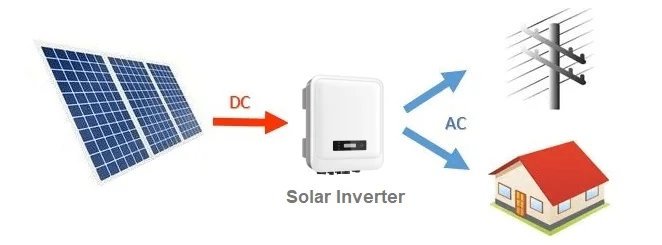
Primeiro, é importante entender como funcionam os painéis solares. Os painéis solares são compostos por energia fotovoltaica (VP) células, que convertem a luz solar em corrente contínua (CC) eletricidade. Esta eletricidade DC é então convertida em corrente alternada (AC) eletricidade por um inversor solar, que pode ser usado para alimentar aparelhos e dispositivos em residências e empresas.
The amount of electricity that a solar power system can generate depends on several factors, including the size of the solar panel array, the orientation and angle of the panels, the amount of sunlight the panels receive, and the efficiency of the solar panels themselves. Adicionalmente, the amount of electricity that a home uses also plays a role in determining whether or not solar energy can power the entire home.
To determine whether or not solar energy is efficient enough to power an entire home, it’s important to consider the energy needs of the home. This includes the number of occupants, the size of the home, and the appliances and devices that are used on a regular basis. The energy needs of a home can be calculated by looking at the monthly electricity bills and determining the average amount of electricity used per month.
Once the energy needs of the home are determined, the size of the solar panel array can be calculated. A general rule of thumb is that a 1 kW solar panel array can generate between 4-5 kWh de eletricidade por dia. Portanto, um 5 kW solar panel array can generate around 20-25 kWh de eletricidade por dia. This amount of electricity can be sufficient to power a small to medium-sized home, depending on the energy needs of the home.
It’s also important to consider the orientation and angle of the solar panels. Idealmente, os painéis solares devem estar voltados para o sul e inclinados em um ângulo igual à latitude do local de instalação. Isso permite que os painéis solares capturem a maior parte da luz solar ao longo do dia. No entanto, mesmo que os painéis solares não estejam voltados para sul ou não estejam no ângulo ideal, eles ainda podem gerar eletricidade.
In addition to the orientation and angle of the solar panels, it’s important to consider the efficiency of the solar panels themselves. The efficiency of a solar panel is a measure of how much sunlight is converted into electricity. The higher the efficiency, the more electricity the solar panel can generate. High-efficiency solar panels can be more expensive than lower efficiency panels, but they can also generate more electricity and require less space on the roof.
Another factor to consider is the use of energy-efficient appliances and devices in the home. Energy-efficient appliances and devices use less electricity, which can help reduce the overall energy needs of the home. Adicionalmente, energy-efficient appliances and devices can be paired with a solar power system to further reduce the amount of electricity needed from the grid.
Para concluir, whether or not solar energy is efficient enough to power an entire home depends on several factors, including the energy needs of the home, the size of the solar panel array, the orientation and angle of the solar panels, the efficiency of the solar panels, and the use of energy-efficient appliances and devices. With proper planning and installation, um sistema de energia solar pode fornecer uma fonte confiável de energia limpa para residências e empresas.
