
O que é bateria melhor?E por que é o futuro da energia?
Os altos custos de eletricidade e as interrupções de energia estão prejudicando os lucros e a tranquilidade do seu negócio. Sem uma maneira de armazenar energia, você está à mercê da rede e do aumento dos preços.
Um sistema de armazenamento de energia da bateria (BESS) é uma solução que capta energia de painéis solares ou da rede e a armazena em baterias recarregáveis. Você pode então usar essa eletricidade armazenada durante os horários de pico, quedas de energia, ou quando o sol não está brilhando.
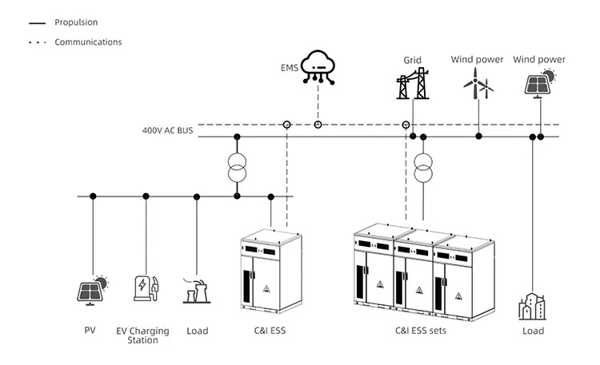
Ajudei muitos clientes a passar de contas altas para a independência energética. É um grande passo, mas entender como essa tecnologia funciona mudará para sempre a forma como você encara sua conta de luz. Vejamos os detalhes.
Como funcionam os sistemas de armazenamento?
Gerenciando energia sem bateria é como tentar pegar chuva com as próprias mãos. A maior parte vai para o lixo. Você precisa de um contêiner confiável para manter essa energia quando realmente precisar dela.
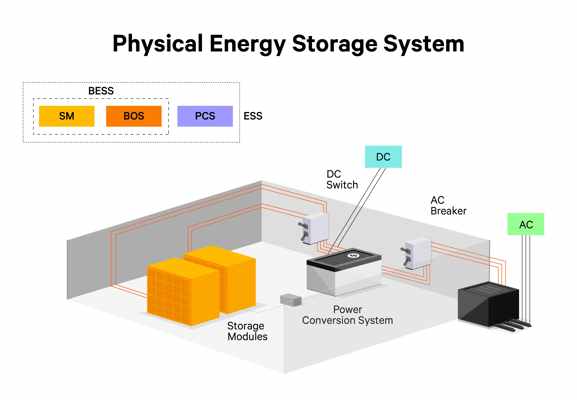
Um BESS funciona usando um inversor para converter energia e um sistema de gerenciamento para monitorar a segurança. É preciso energia DC de painéis solares, armazena-o em células de bateria, e converte-o novamente em energia CA para o seu edifício.
Os componentes principais
Para entender um BESS, você tem que olhar o que está dentro da caixa. Sempre digo aos meus clientes que uma bateria é tão boa quanto o cérebro que a controla. O sistema de gerenciamento de bateria (BMS) é esse cérebro. Garante que as células não superaqueçam e que carreguem uniformemente. Então você tem o Sistema de Conversão de Energia (PCs), que lida com o formato de eletricidade para que suas máquinas possam funcionar.
O ciclo de carga e descarga
O processo é bastante simples, mas muito inteligente. Durante o dia, seus painéis solares LONGi ou Jinko produzem mais energia do que você pode usar. Em vez de enviar essa energia extra de volta à concessionária por um crédito baixo, o BESS puxa para dentro. À noite, ou durante uma janela de preço de pico, o sistema muda. Ele para de extrair energia da rede e começa a enviar energia da bateria para seu escritório ou fábrica. Este "pico de barbear" é como ajudo meus clientes comerciais a economizar milhares de dólares todos os anos.
| Componente | Função | Importância |
|---|---|---|
| Módulos da bateria | Armazene a energia real | Determina a capacidade |
| BMS | Monitora temperatura e tensão | Garante segurança e longa vida |
| Inversor (PCs) | Muda DC para AC | Permite uso em eletrodomésticos |
| Controlador | Decide quando carregar ou descarregar | Maximiza o ROI |
Quais são as vantagens do BESS?
Depender apenas da rede elétrica é arriscado e caro para qualquer empresário. Você enfrenta aumentos de preços imprevisíveis e a ameaça constante de um apagão que interrompe sua linha de produção.
As vantagens do BESS incluem contas de eletricidade mais baixas através da redução dos picos, energia de backup confiável durante interrupções, e uma menor pegada de carbono. Também ajuda você a cumprir as metas de energia verde exigidas por muitas regulamentações modernas.
Benefícios econômicos e ROI
Converso frequentemente com proprietários de fábricas que ficam chocados com as suas “cobranças de procura”." Estas são taxas extras por usar muita energia de uma só vez. A BESS reduz essas taxas ao fornecer que "explosão" de energia da bateria em vez da rede. Isso significa que sua conta cai imediatamente. Ao longo do tempo, o sistema se paga. Quando você combina nossos painéis de primeira linha com um inversor Growatt ou Huawei, a eficiência é ainda maior, levando a um retorno mais rápido do seu investimento.
Independência Energética e Confiabilidade
Em muitas regiões onde meus clientes operam, a rede não é estável. Uma única hora de inatividade pode custar muito dinheiro a uma empresa de varejo ou a uma fábrica. Um BESS atua como um Fonte de energia ininterrupta (UPS)1 em uma escala gigante. Ele acende tão rápido que suas luzes nem piscam. Essa confiabilidade é a razão pela qual mais desenvolvedores estão adicionando armazenamento aos seus planos de construção desde o início. Não se trata apenas de ser "verde" não mais; trata-se de manter as portas abertas quando os vizinhos estão no escuro.
| Vantagem | Impacto nos negócios | Impacto ambiental |
|---|---|---|
| Pico de barbear | Reduz contas mensais de serviços públicos | Reduz a tensão na grade |
| Energia de reserva | Evita perda de receita durante interrupções | Diminui a necessidade de geradores a diesel |
| Mudança de carga | Usa energia barata em momentos caros | Incentiva o uso de energia renovável |
Quanto tempo dura um sistema de armazenamento de bateria?
Comprar um sistema solar é um grande investimento, e você quer saber que isso vai durar. Se a bateria acabar depois de apenas alguns anos, suas economias desaparecem e você está de volta à estaca zero.
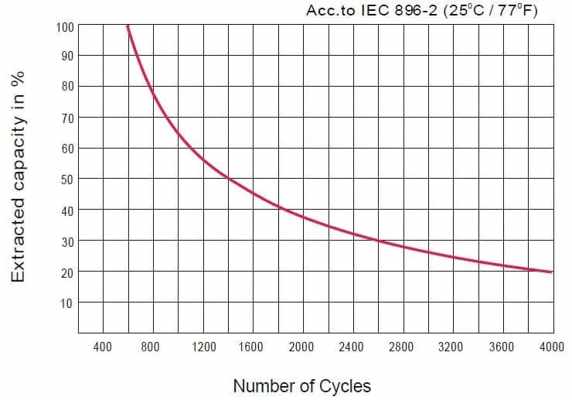
A maioria das unidades BESS modernas duram entre 10 e 15 anos, dependendo da química da bateria e da frequência com que são usadas. O desempenho geralmente é medido em "ciclos," com baterias de lítio de alta qualidade oferecendo 6,000 ciclos ou mais.
Fatores que afetam a vida útil da bateria
Sempre explico aos meus parceiros atacadistas que "como" você usa a bateria é tão importante quanto "o que" bateria que você compra. O calor é o maior inimigo de qualquer bateria. Se você mantiver seu BESS em um local bem ventilado, área legal, vai durar muito mais tempo. Também, a profundidade da descarga (Departamento de Defesa) é um fator chave. Se você descarregar a bateria para 0% todos os dias, vai se desgastar mais rápido. A maioria dos sistemas que projetamos na GYCX Solar são configurados para manter uma pequena reserva, que protege as células e prolonga sua vida em anos.
Escolhendo a química certa
Há uma grande diferença entre chumbo-ácido e íon-lítio. O chumbo-ácido é mais barato no início, mas dura apenas cerca de 3 para 5 anos. Fosfato de Ferro Lítio (LiFePO4) é o que recomendo para quase todos os meus clientes comerciais e residenciais agora. Essas baterias são mais seguras, pode ser descarregado mais profundamente, e durar muito mais tempo. Quando você olha para o "custo por ciclo," o lítio é na verdade a opção mais barata ao longo do tempo. Fornecemos orientações específicas sobre isso para garantir que você não precise substituir seu sistema prematuramente.
| Tipo de Bateria | Vida útil típica | Ciclo da vida | Manutenção |
|---|---|---|---|
| Íon de lítio (LFP) | 10-15 Anos | 6,000+ Ciclos | Muito baixo |
| Chumbo-ácido | 3-5 Anos | 500-1,000 Ciclos | Alto |
| Baterias de fluxo | 20+ Anos | Ciclos Ilimitados | Médio |
Qual a diferença entre os sistemas de armazenamento para uso doméstico e os da rede elétrica?
É fácil ficar confuso com os diferentes tamanhos de baterias existentes no mercado. Usar uma pequena bateria doméstica para uma fábrica é como tentar alimentar um caminhão com a bateria de uma lanterna.
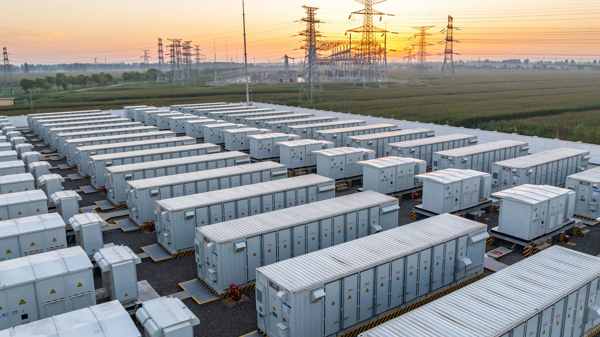
Os sistemas domésticos são pequenos e projetados para residências unifamiliares, enquanto os sistemas em escala de rede ou industriais são contêineres enormes. Eles diferem em capacidade, tensão, e como eles interagem com a concessionária de energia local.
Sistemas Residenciais e Pequenos Comerciais
Para uma casa típica ou uma pequena loja, geralmente instalamos "atrás do medidor" sistemas. Estes são compactos, muitas vezes montado em uma parede, e têm capacidade de 5 kWh a 20 kWh. Eles se concentram em tornar a casa autossuficiente. Vejo muitas famílias usando isso para alcançar "zero líquido2" uso de energia. Estes sistemas são simples de instalar e normalmente funcionam com um inversor híbrido monofásico ou trifásico de marcas como Huawei ou Growatt.
Sistemas Utilitários e de Escala Industrial
Por outro lado, meu trabalho com desenvolvedores e empresas de serviços públicos envolve "front-of-the-meter" sistemas. Estes são enormes. Eles vêm em contêineres e podem armazenar Megawatts (PM) de poder. O trabalho deles não é apenas economizar dinheiro para construir, mas para equilibrar toda a rede. Eles fornecem "regulação de frequência," que mantém a rede estável quando milhares de pessoas ligam seus aparelhos de ar condicionado ao mesmo tempo. Esses projetos exigem engenharia complexa e estrita conformidade com as leis locais, que é onde nossos serviços de integração de recursos se tornam muito valiosos.
| Recurso | Residencial BESS | BESS Utilitário/Industrial |
|---|---|---|
| Capacidade | 5kWh – 30 kWh | 100kWh – 100MWh+ |
| Instalação | Rack montado na parede ou pequeno | Contentorizado / Ar livre |
| Objetivo principal | Reduza as contas domésticas / Cópia de segurança | Estabilidade da rede / ROI em grande escala |
| Tensão | Baixa voltagem (48V) ou alta tensão | Alta tensão (frequentemente 1000V +) |
Conclusão
A tecnologia BESS é a melhor maneira de controlar seus custos de energia e garantir que sua energia permaneça ligada. Se você precisa de uma bateria doméstica ou de um sistema industrial, temos os produtos para ajudar.
Você gostaria que eu criasse um design personalizado de energia solar e bateria para suas necessidades específicas de negócios ou residências??
