
Best Rack Mount Battery Backup: What Should You Look For?
Are you tired of messy cables and bulky batteries cluttering your floor? Unorganized power systems create hazards and make upgrades difficult. You need a clean, scalable solution.
The best rack mount battery backup offers modular LiFePO4 energy storage that fits into standard 19-inch server cabinets. This design provides easy scalability, organized cable management, and reliable power for both residential solar and commercial server rooms.
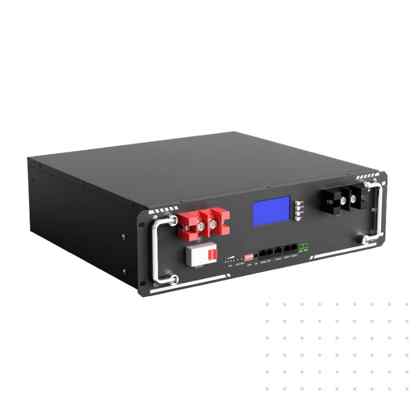
I often see clients struggle with traditional battery setups that look like a science project gone wrong. Wires are everywhere, and adding more capacity means buying a whole new bulky unit. Rack mount systems solve this. They are sleek, stackable, and professional.
What is a rack mount battery backup and how does it work?
Do you find technical jargon about battery systems confusing? It is frustrating when you just want a simple explanation of where your power comes from. Let me make it clear.
A rack mount battery backup is a modular storage unit designed to slide perfectly into standard equipment racks. It stores electrical energy chemically and releases it when your main power source fails or costs are high.

When I introduce these to my customers at gycxsolar, I describe them as "building blocks" for energy. Unlike a Tesla Powerwall which is one big box on the wall, a rack mount system is made of separate drawers. Each drawer is a battery module.
These modules usually use Lithium Iron Phosphate (LiFePO4) chemistry. This is the safest lithium technology available today. Inside each metal case, there are battery cells and a Battery Management System (BMS). The BMS is the brain. It talks to your inverter—whether you use Growatt, Huawei, or another brand we supply—to tell it how much charge is left.
The system works by connecting these "drawers" in parallel. This keeps the voltage the same (usually 48V or 51.2V) but increases the total capacity. If you need more power, you just slide in another drawer. It connects to your solar panels or the grid to charge up, and then powers your home or servers when you need it. It is plug-and-play engineering at its finest.
Why choose rack mount battery backup?
Are you worried that your current energy needs will change in a few years? Being stuck with a system that is too small is expensive and annoying. You need room to grow.
You should choose rack mount batteries because they offer unmatched scalability and space efficiency. You can start with one module and easily add more later without rewiring your entire room.
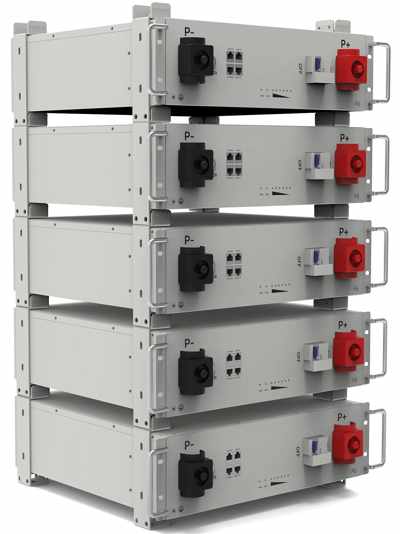
I believe flexibility is the single most important feature for my clients. Life changes. You might buy an electric vehicle next year, or expand your factory operations. With a fixed wall-mounted battery, adding capacity often means installing a separate second unit on a different wall. It looks bad and takes up space.
With rack mount systems, you just buy an extra module from us. You slide it into the empty slot in your cabinet, connect two cables, and you are done. It takes five minutes.
Here is a quick comparison I use to help clients decide:
| Feature | Rack Mount Battery | Traditional Wall/Floor Battery |
|---|---|---|
| Scalability | High: Just add a module to the rack. | Low: Need to mount new units. |
| Footprint | Small: Vertical stacking saves floor space. | Medium/Large: Spreads out across walls. |
| Safety | High: Cables are contained in the rack. | Moderate: Exposed wires can be a hazard. |
| Maintenance | Easy: Swap out one faulty module. | Hard: The whole unit might need repair. |
| Cooling | Excellent: Natural airflow between units. | Variable: Depends on the casing design. |
This vertical design also helps with cooling. Heat is the enemy of batteries. In a rack, there is air space between each unit, keeping them cool and extending their life.
Main functions and roles of rack batteries?
Do you fear that a sudden power spike could destroy your expensive equipment? Sensitive electronics need more than just raw power; they need clean, stable energy. Protection is non-negotiable.
The main roles of rack batteries are providing uninterrupted power supply (UPS), stabilizing voltage for sensitive equipment, and shifting energy usage to lower your electricity bills.
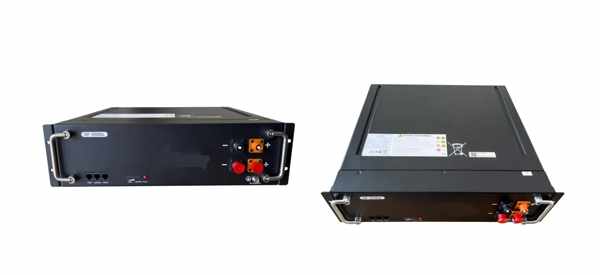
For my commercial clients, especially those with server rooms or critical manufacturing lines, "dirty power" is a nightmare. This means voltage dips or spikes from the grid. A rack mount battery acts as a buffer. It sits between the grid and your equipment. If the grid voltage wobbles, the battery and inverter smooth it out instantly.
Let’s look deeper at the three core functions:
- Backup Power (UPS): This is the most obvious one. When the grid goes down, the battery takes over. Because rack batteries are often paired with high-quality hybrid inverters, the switchover happens in milliseconds. Your computers will not even reboot.
- Peak Shaving: This saves you money. In many places, electricity is expensive in the evening. The battery charges up when power is cheap (morning/night) and discharges when power is expensive. You buy low and use high.
- Off-Grid Support: For my clients in remote areas, these batteries are the heart of the system. They store solar energy from the day to keep the lights on at night. Because you can stack so many of them, you can build a massive energy bank that lasts for days of cloudy weather.
At gycxsolar, we ensure our rack batteries communicate perfectly with major inverter brands. This communication allows the battery to tell the inverter exactly what it needs, preventing overcharging and extending the system’s life.
Installation and maintenance tips for rack mount battery backup?
Are you intimidated by the thought of installing a high-tech battery system? One wrong connection can be dangerous, but proper procedure makes it safe and simple. You must follow the rules.
For successful installation, always secure the rack cabinet firmly, ensure proper ventilation gaps between modules, balance the voltage of new units before connecting, and check cable tightness regularly.

I always tell my customers: "Respect the voltage." Even though 48V is safer than high voltage, it still carries a lot of current. Installation is straightforward if you are methodical.
First, Placement. Put your rack cabinet in a cool, dry place. Do not shove it in a closet with zero airflow. The batteries need to breathe. If you are a business, keep it away from flammable materials.
Second, Balancing. This is a pro tip. Before you connect multiple battery modules together, make sure they are at the same voltage level. If one is full and one is empty, current will rush from the full one to the empty one instantly. This can trip breakers or damage cells. Charge them individually to full before linking them.
Maintenance Checklist:
- Quarterly Visual Check: Look at the cables. Are they tight? Is there any corrosion?
- Dust Management: Use a dry cloth to wipe down the vents. Dust blocks airflow and causes overheating.
- BMS Monitoring: Most of our systems have an app. Check it once a month. Are all the cells reading the same voltage? If one cell is way lower, it might be a sign of a problem.
- Temperature Watch: Ensure the room stays between 20°C and 25°C for the absolute best lifespan, though they can handle wider ranges.
If you ever see a warning light on the front of a module, do not ignore it. The modular design1 is great here. You can turn off just that one drawer, pull it out, and send it to us for service while the rest of your system keeps running. That is the peace of mind2 I want you to have.
Conclusion
Rack mount batteries offer the best mix of power, organization, and growth potential. I can help you select the right module count to secure your energy future today.
