
Are gel batteries better than lead acid?
When choosing a deep-cycle battery for your solar system, boat, or backup power needs, you’ll encounter various lead-acid technologies. A frequent question is whether a "gel battery" is superior to a standard "lead-acid battery." To make the best choice, it’s essential to understand that gel batteries are a specific type of lead-acid battery, offering distinct advantages and disadvantages compared to the traditional flooded type.
A gel battery is a sealed, maintenance-free lead-acid battery (VRLA) that uses a thickened, gelled electrolyte. It is "better" if you prioritize convenience (no watering), safety (spill-proof), and flexible installation. A traditional flooded lead-acid (FLA) battery, with its liquid electrolyte, is "better" if your main goal is the lowest possible upfront cost, provided you are committed to performing regular maintenance. The best choice truly depends on your specific application and priorities.
At Gycx Solar, we supply a range of battery technologies because we know the ideal solution varies. Our expertise lies in helping you navigate these options to find best value and performance for your needs in Singapore. Let’s delve into the common questions about gel batteries versus lead acid.
What are the disadvantages of a gel battery?
While the zero-maintenance aspect of gel batteries is highly appealing, they come with certain limitations that are important to consider before making a purchase. Understanding these drawbacks ensures you choose a battery that fits your system and usage patterns.
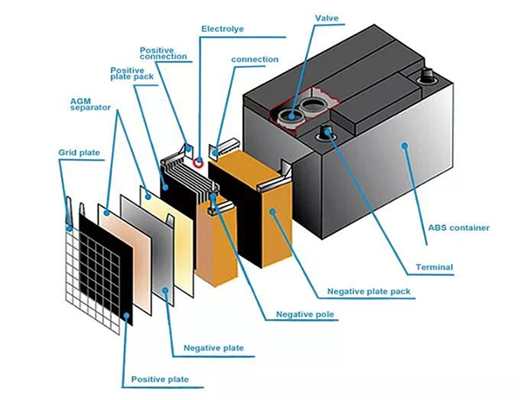
The primary disadvantages of a gel battery include its higher initial purchase price compared to flooded batteries. Critically, gel batteries are very sensitive to charging parameters—overcharging can cause irreversible damage. They also typically have slower charge acceptance rates and may offer lower peak power output compared to AGM batteries. Heat sensitivity can also be a factor impacting lifespan, especially in warm climates.
Dive Deeper: A Realistic Look at Gel Limitations
Let’s explore these points:
- Cost: Gel technology is more complex to manufacture, resulting in a higher price tag for the same capacity compared to FLA batteries.
- Charging Sensitivity: This is the most crucial point. Gel batteries require a specific, lower-voltage charging profile. Using a charger designed for flooded batteries (which often have higher voltages and equalization modes) will "cook" the gel, dry it out, and permanently destroy the battery.
- Performance:
- Slower Charging: Higher internal resistance means they generally cannot accept charge as quickly as FLA or AGM batteries.
- Lower Power Output: They are less effective at delivering very high bursts of current (like engine starting amps) compared to AGM.
- Heat Sensitivity: Like all lead-acid batteries, gel batteries degrade faster in high temperatures. Consistent operation above 25°C (77°F) significantly shortens their lifespan, a key consideration in Singapore’s climate.
Why do gel batteries fail?
Even durable batteries eventually reach the end of their life. What are the common reasons why a gel battery might fail prematurely or stop performing well?
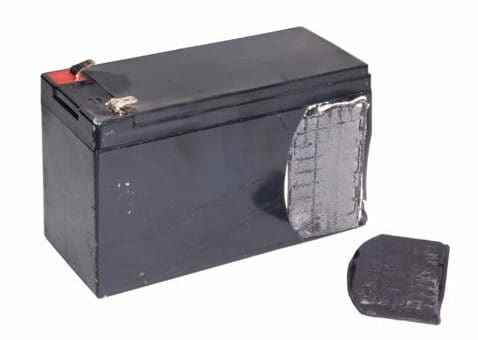
Gel batteries typically fail due to sulfation (caused by chronic undercharging or being left in a discharged state), irreversible damage from overcharging (which dries out the gel electrolyte), internal degradation from high heat, or simply reaching the end of their designed cycle life.
Dive Deeper: Causes of Premature Failure
Understanding failure modes helps in prevention:
- Sulfation: If a lead-acid battery isn’t promptly and fully recharged, hard lead sulfate crystals form on the plates. This blocks the chemical reaction, reducing capacity. Leaving a battery partially or fully discharged for long periods is a primary cause.
- Overcharging Damage: As mentioned, charging at too high a voltage breaks down the water in the gel into gas, which escapes through safety valves. This loss is irreversible and dries out the electrolyte, killing the battery. This is the most common reason for premature failure related to user error.
- Heat Damage: Consistently high operating temperatures accelerate the internal chemical degradation of the battery components, effectively aging it faster.
- End of Cycle Life: Every battery is designed for a certain number of charge-discharge cycles. Even with perfect care, eventually, the internal components wear out, and the battery’s capacity fades until it’s no longer useful.
Proper charging and keeping the battery cool are the two most critical factors in preventing premature failure.
How long will a 200Ah gel battery last?
You’re considering a large 200Ah gel battery for substantial energy storage. Does this larger size equate to a longer lifespan in years compared to a smaller battery?
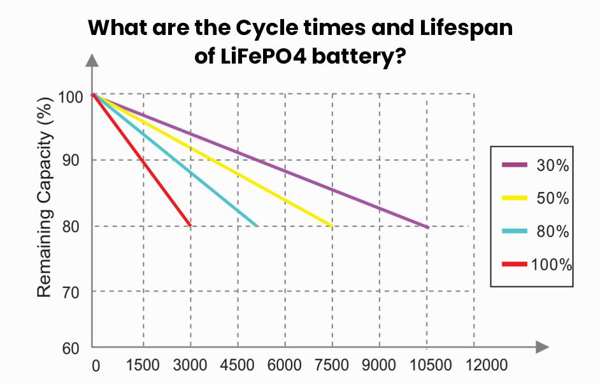
The 200Ah rating refers only to the battery’s energy storage capacity, not its lifespan. A 200Ah gel battery has the same expected lifespan as a 100Ah version of the same quality and model: typically 5 to 10 years of calendar life, or 500 to over 1,000 charge cycles. The actual lifespan achieved depends heavily on usage patterns (Depth of Discharge), charging accuracy, and operating temperature, not the Ah rating itself.
Dive Deeper: Capacity vs. Durability
It’s crucial to separate these two concepts:
- Capacity (Ah): Determines how much energy the battery stores and thus how long it can power your devices (runtime). A 200Ah battery provides double the runtime of a 100Ah battery at the same voltage and load.
- Lifespan (Years/Cycles): Determines how durable the battery is – how many times it can be charged and discharged before it wears out.
- The Indirect Link: While Ah doesn’t directly dictate lifespan, choosing a larger battery (like 200Ah) can help it last longer. If your daily need is only 50Ah, a 200Ah battery experiences a much shallower discharge (25% DoD) compared to a 100Ah battery (50% DoD). Shallower cycles are less stressful and significantly increase the total number of cycles the battery can deliver over its life.
Therefore, oversizing your battery bank slightly can be a smart strategy for extending its service life.
Which is better, gel battery or AGM?
Within the sealed lead-acid (VRLA) category, the two main contenders are Gel and AGM (Absorbent Glass Mat). If you want a maintenance-free battery, which of these two should you choose?
Neither is universally superior; they excel in different areas. AGM batteries are generally better for high current output (like engine starting), faster charging, and often perform better in cold temperatures. Gel batteries typically handle slow, deep discharge cycles well and can be slightly more tolerant of very high ambient temperatures. AGM is often seen as the more versatile all-rounder.
Dive Deeper: AGM vs. Gel – The Technical Trade-Offs
Let’s compare these sealed technologies:
- Internal Construction:
- AGM: Electrolyte is absorbed in fiberglass mats pressed between the plates. Lower internal resistance.
- Gel: Electrolyte is a thick gel. Higher internal resistance.
- Performance:
- Power Output: AGM delivers higher burst currents (better for starting engines).
- Charging: AGM accepts charge faster and is slightly less sensitive to voltage variations than Gel.
- Deep Cycling: Both are good, but Gel sometimes has a slight edge in rated cycle life for very slow, deep discharges.
- Temperature: AGM often performs better in the cold. Gel may handle sustained high heat slightly better, but all lead-acid batteries degrade quickly in heat.
- Cost: Prices are often similar, though AGM can sometimes be slightly less expensive.
- The Bottom Line: For applications requiring high power or fast charging, AGM is usually preferred. For consistent, slow deep-cycle use where precise charging can be guaranteed, Gel is a viable option.
Gycx Solar Story: "While we supply both AGM and Gel for specific needs, we often guide customers towards LFP lithium for demanding solar applications in Singapore. The superior cycle life and heat tolerance of LFP often provide much better long-term value compared to either AGM or Gel, despite the higher initial cost."
So, is a gel battery better than a traditional flooded lead-acid battery? Yes, if convenience and safety are paramount. However, its higher cost and critical need for correct charging are significant factors. Compared to AGM, Gel offers specific advantages for deep cycling but is less versatile overall. Understanding these nuances is key to selecting the right battery.
Whether a Gel, AGM, or advanced Lithium battery1 is the best fit for your needs, our expert team at Gycx Solar can help you navigate the choices. We ensure your entire system is optimized for performance and longevity. Contact us today for a professional consultation2!
