
What is bess battery?And why is it the future of energy?
High electricity costs and power outages are hurting your business profits and peace of mind. Without a way to store energy, you are at the mercy of the grid and rising prices.
A Battery Energy Storage System (BESS) is a solution that captures energy from solar panels or the grid and stores it in rechargeable batteries. You can then use this stored electricity during peak hours, power outages, or when the sun is not shining.
I have helped many clients move from high bills to energy independence. It is a big step, but understanding how this technology works will change how you look at your power bill forever. Let us look at the details.
How do storage systems work?
Managing energy without a battery is like trying to catch rain with your bare hands. Most of it goes to waste. You need a reliable container to keep that power for when you actually need it.
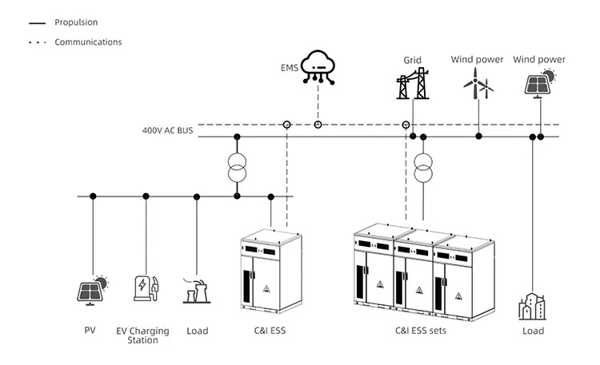
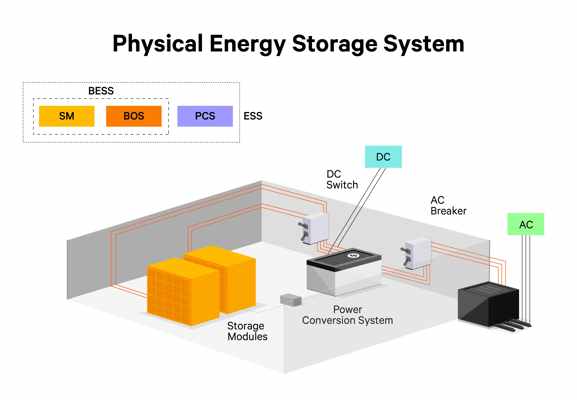
A BESS works by using an inverter to convert power and a management system to monitor safety. It takes DC power from solar panels, stores it in battery cells, and converts it back to AC power for your building.
The Core Components
To understand a BESS, you have to look at what is inside the box. I always tell my customers that a battery is only as good as the brain controlling it. The Battery Management System (BMS) is that brain. It makes sure the cells do not overheat and that they charge evenly. Then you have the Power Conversion System (PCS), which handles the electricity format so your machines can run.
The Charging and Discharging Cycle
The process is quite simple but very smart. During the day, your LONGi or Jinko solar panels produce more power than you can use. Instead of sending that extra power back to the utility company for a low credit, the BESS pulls it in. At night, or during a peak price window, the system switches. It stops pulling from the grid and starts pushing power from the battery into your office or factory. This "peak shaving" is how I help my commercial clients save thousands of dollars every year.
| Component | Function | Importance |
|---|---|---|
| Battery Modules | Store the actual energy | Determines capacity |
| BMS | Monitors temperature and voltage | Ensures safety and long life |
| Inverter (PCS) | Changes DC to AC | Allows use in appliances |
| Controller | Decides when to charge or discharge | Maximizes ROI |
What are the advantages of BESS?
Relying only on the grid is risky and expensive for any business owner. You face unpredictable price hikes and the constant threat of a blackout stopping your production line.
The advantages of BESS include lower electricity bills through peak shaving, reliable backup power during outages, and a smaller carbon footprint. It also helps you meet green energy goals required by many modern regulations.
Economic Benefits and ROI
I often speak with factory owners who are shocked by their "demand charges." These are extra fees for using a lot of power at once. A BESS cuts these charges by providing that "burst" of energy from the battery instead of the grid. This means your bill goes down immediately. Over time, the system pays for itself. When you combine our tier-one panels with a Growatt or Huawei inverter, the efficiency is even higher, leading to a faster return on your investment.
Energy Independence and Reliability
In many regions where my clients operate, the grid is not stable. A single hour of downtime can cost a retail business or a factory a huge amount of money. A BESS acts as an Uninterruptible Power Supply (UPS)1 on a giant scale. It switches on so fast that your lights do not even flicker. This reliability is why more developers are adding storage to their building plans from the start. It is not just about being "green" anymore; it is about keeping the doors open when the neighbors are in the dark.
| Advantage | Business Impact | Environmental Impact |
|---|---|---|
| Peak Shaving | Reduces monthly utility bills | Reduces strain on the grid |
| Backup Power | Prevents loss of revenue during outages | Decreases need for diesel generators |
| Load Shifting | Uses cheap energy at expensive times | Encourages renewable energy use |
How long does a battery storage system last?
Buying a solar system is a major investment, and you want to know it will last. If the battery dies after just a few years, your savings disappear and you are back at square one.
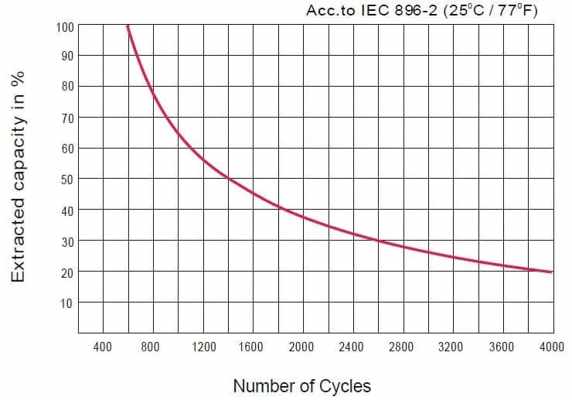
Most modern BESS units last between 10 and 15 years, depending on the battery chemistry and how often they are used. Performance is usually measured in "cycles," with high-quality lithium batteries offering 6,000 cycles or more.
Factors Affecting Battery Life
I always explain to my wholesale partners that "how" you use the battery matters as much as "what" battery you buy. Heat is the biggest enemy of any battery. If you keep your BESS in a well-ventilated, cool area, it will last much longer. Also, the depth of discharge (DoD) is a key factor. If you drain the battery to 0% every single day, it will wear out faster. Most of the systems we design at GYCX Solar are set to keep a small reserve, which protects the cells and extends their life by years.
Choosing the Right Chemistry
There is a big difference between lead-acid and lithium-ion. Lead-acid is cheaper at first, but it only lasts about 3 to 5 years. Lithium Iron Phosphate (LiFePO4) is what I recommend for almost all my commercial and residential clients now. These batteries are safer, can be discharged more deeply, and last much longer. When you look at the "cost per cycle," lithium is actually the cheaper option over time. We provide specific guidance on this to make sure you don’t have to replace your system prematurely.
| Battery Type | Typical Lifespan | Cycle Life | Maintenance |
|---|---|---|---|
| Lithium-ion (LFP) | 10-15 Years | 6,000+ Cycles | Very Low |
| Lead-Acid | 3-5 Years | 500-1,000 Cycles | High |
| Flow Batteries | 20+ Years | Unlimited Cycles | Medium |
What is the difference between storage systems for domestic use and those for the electricity grid?
It is easy to get confused by the different sizes of batteries on the market. Using a small home battery for a factory is like trying to power a truck with a flashlight battery.
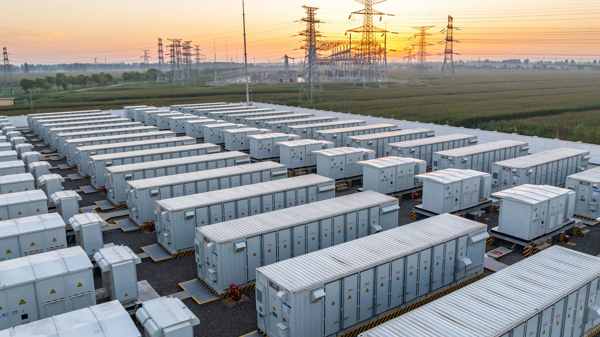
Domestic systems are small and designed for single-family homes, while grid-scale or industrial systems are massive containers. They differ in capacity, voltage, and how they interact with the local power utility.
Residential and Small Commercial Systems
For a typical home or a small shop, we usually install "behind-the-meter" systems. These are compact, often mounted on a wall, and have a capacity of 5kWh to 20kWh. They focus on making the home self-sufficient. I see many families using these to reach "net zero2" energy use. These systems are simple to install and usually work with a single-phase or three-phase hybrid inverter from brands like Huawei or Growatt.
Utility and Industrial Scale Systems
On the other hand, my work with developers and utility companies involves "front-of-the-meter" systems. These are huge. They come in shipping containers and can store Megawatts (MW) of power. Their job is not just to save one building money, but to balance the entire grid. They provide "frequency regulation," which keeps the grid stable when thousands of people turn on their air conditioners at the same time. These projects require complex engineering and strict compliance with local laws, which is where our resource integration services become very valuable.
| Feature | Residential BESS | Utility/Industrial BESS |
|---|---|---|
| Capacity | 5kWh – 30kWh | 100kWh – 100MWh+ |
| Installation | Wall-mounted or small rack | Containerized / Outdoor |
| Main Goal | Reduce home bills / Backup | Grid stability / Large scale ROI |
| Voltage | Low Voltage (48V) or High Voltage | High Voltage (often 1000V+) |
Conclusion
BESS technology is the best way to control your energy costs and ensure your power stays on. Whether you need a home battery or an industrial system, we have the products to help.
Would you like me to create a customized solar and battery design for your specific business or home needs?
